
Here’s the short answer, folks. L-theanine is the quick, gentle one. It’s an amino acid from tea, and in lab studies it calmed brain activity within about an hour without making anyone sleepy. Ashwagandha is the slow one. It’s a root extract whose stress trials ran for weeks, not hours. It has the better evidence for long-running stress and for sleep, and it comes with a longer list of people who should skip it.
Quick note before we dig in. I’m not a doctor, and none of this is medical advice. If stress or worry is getting in the way of your sleep, your job or the people you love, that’s a talk with your doctor, not a trip down the supplement aisle. And if you take any prescription medicine, or you’re pregnant or breastfeeding, ask your doctor or pharmacist before you add either one.
Two Bottles, Two Very Different Things

On a store shelf they look like cousins — same calm blue and green labels, same soft promises about stress. Under the label, though, they have almost nothing in common.
Ashwagandha is a plant. It’s an evergreen shrub (a nightshade, in the same family as tomatoes, believe it or not) that grows in parts of India, Africa and the Middle East, and it’s been part of Ayurvedic medicine for thousands of years. The capsules hold an extract of its root, its leaf or both, and that detail matters more than most labels let on.
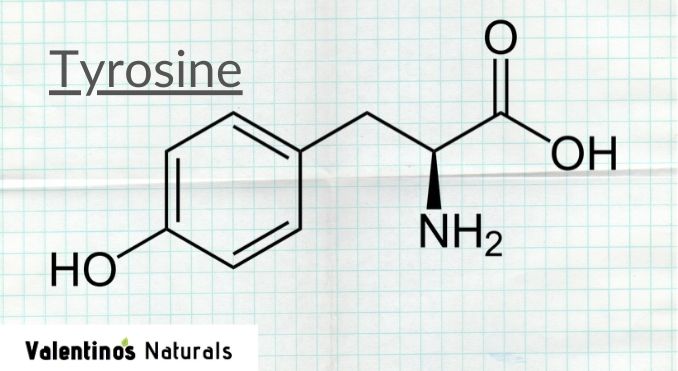
L-theanine is one amino acid. Tea leaves are full of it, which is part of why a cup of green tea can feel calming even with the caffeine in it. A capsule gives you that one compound on its own, and far more of it than a cup of tea holds.
So one is a plant extract, a mix of many compounds, and the other is a single molecule. That’s why they run on such different clocks.
Ashwagandha Works on a Weeks-Long Clock

Ashwagandha trials run for weeks, not hours. In one Indian trial, 64 adults with a history of chronic stress took a root extract or a placebo for 60 days. Stress scores dropped further in the ashwagandha group, and so did their blood cortisol, the body’s main stress hormone.
A second 60-day trial followed 60 stressed but healthy adults. Anxiety scores and morning cortisol both came down more with ashwagandha than with the placebo, everyone finished, and nobody reported a side effect.
Pool the trials and the picture holds, with a big catch. A 2022 review of 12 trials with 1,002 adults aged 25 to 48 found less stress and less anxiety with ashwagandha than with a placebo. Its own authors rated the certainty of that evidence as low. The trials were small, they used different extracts, and their results were all over the place.
Sleep looks a bit steadier, honestly. A 2021 review of 5 trials with 400 people found a small but real boost in overall sleep, and it was strongest in people with insomnia and in trials that lasted 8 weeks or longer.
So this isn’t a pill you take an hour before a tough meeting. The studies used weeks of daily use, and that’s how you’d have to judge it too.
READ: Ashwagandha vs Rhodiola Rosea: Which Adaptogen Wins?
L-Theanine Is the Calm Part of Your Tea

L-theanine keeps a much shorter schedule. In a small 2008 study, people took L-theanine or a placebo and then had their brain waves recorded. Alpha activity rose more with L-theanine across the 45 to 105 minutes after they took it. Alpha waves are the pattern of a relaxed but awake brain, the feeling of sitting on the porch with nowhere to be. Relaxed, not sleepy.
Over longer stretches there’s less to go on, but it’s encouraging: across four weeks, 30 healthy adults felt less anxious and less low on L-theanine, and they slept better.
A 2020 review of 9 studies landed on a careful yes. L-theanine may help people handle stress when they’re under pressure, but bigger and longer trials are still missing.
READ: L-Theanine Nootropic Review
How Fast You’d Notice Each One

This is the biggest everyday difference between the two, so let’s put it on a clock.
With L-theanine, the lab work checked people inside the first two hours. The brain-wave change showed up in that 45 to 105 minute window, and a 2008 study that paired it with caffeine tested people at 60 and 90 minutes. If it’s going to do anything for you, you’ll probably know the same afternoon.
With ashwagandha, the trials checked people at about 60 days, and the sleep review saw the clearest effect at 8 weeks or more. Feel nothing after a few days? That’s not proof it failed. It’s just too early to tell.
That changes how you’d test each one. L-theanine you can judge on a single busy Tuesday. Ashwagandha needs four weeks at the very least, and the trials point closer to eight.
The Fog Question: Which One Makes You Sleepy?

Calm is nice. Calm that makes you want a nap at 2 p.m. is not.
Ashwagandha can make some people drowsy, and it can also upset your stomach or cause diarrhea or vomiting. Plenty of people never notice any of that. Still, if you need to be sharp at your desk, it’s worth knowing before you start. (I’d rather find that out on a quiet weekend than in the middle of a big week.)
L-theanine’s whole reputation rests on the opposite. In the brain-wave study it relaxed people without making them drowsy. In the caffeine study, 27 people took caffeine with and without L-theanine, and the pair improved both speed and accuracy on an attention-switching test at 60 minutes. It also made people less likely to get thrown by distracting words in a memory task.
That’s why so many focus drinks stack it with caffeine. It also points to the boring, cheap option nobody puts in an ad. A cup of green tea already holds a little of both.
Who Should Skip Ashwagandha or Ask First

Here’s where the two really split. Ashwagandha comes with more red flags than most calming supplements, and the list has grown over the last few years:
- Pregnant or breastfeeding: avoid it.
- Hormone-sensitive prostate cancer: avoid it, since it may raise testosterone.
- A thyroid or autoimmune condition: talk to your doctor first.
- Any liver trouble: talk to your doctor first. Liver injury linked to ashwagandha is rare, but there have been a number of cases.
Some countries have gone further. Denmark banned ashwagandha in food supplements in 2023, after a Danish university report found no safe intake level could be set. In spring 2024, the Netherlands’ national health institute advised against using it, and by July 2026 European regulators were weighing a wider review under EU food law. Other scientists dispute the Danish report, and you’ll still find ashwagandha on most U.S. store shelves.
None of that means one capsule will hurt you. It means the experts don’t fully agree on this herb yet, and that’s reason enough to bring your doctor into the decision.
What to Check on the Label

Whichever one you pick, the label tells you more than the front of the box does.
For ashwagandha, look for which part of the plant you’re getting. Extracts can come from the root, the leaf or both, and the 64-person stress trial above used a root extract. A product that doesn’t say isn’t telling you much.
Look for a third-party tested seal from U.S. Pharmacopeia, NSF International or ConsumerLab.com. A seal like that means the product was checked for what’s on the label and for some contaminants. It doesn’t mean the product is safe for you or that it works.
Then work out the cost per serving. Divide the price by the servings, not the capsules. A $24 bottle with 30 servings comes to 80 cents a day, or $22.40 for four weeks. That’s a fair price to find out if something works for you, and a silly price to keep paying for something that did nothing.
Which One Fits Which Kind of Stress

Here’s how I’d sort it, as a starting point for that talk with your doctor rather than a replacement for it.
If your stress has a deadline attached, like a presentation at three or a long drive in traffic, the fast and gentle option makes more sense. Try a cup of green tea first. It’s cheap, you already know how your body takes it, and it holds a bit of L-theanine on its own.
If you’ve felt stretched thin for months and your sleep has gone with it, the slow option is the one with the longer trials. That’s also the kind of stress your doctor should hear about, because months of bad sleep can have causes no capsule will touch.
One more thing. Plenty of folks try ashwagandha for a week, feel nothing and decide it did nothing. Given how it was studied, a week tells you very little either way.
READ: 5 Adaptogenic Herbs That Help Relieve Stress and Fatigue Naturally
Conclusion

Both of these have real, if small, studies behind them for stress. L-theanine is fast and mild, it comes from tea, and it relaxed people in the lab without making them drowsy. Ashwagandha is slow, it was tested over about two months, and it has the better case for long-running stress and sleep along with the longer list of people who should pass on it.
Pick the one that matches your kind of stress, check the label before you pay, and give your doctor the final say. Have you tried either one? Tell us in the comments. That would be it, folks!