As an Amazon Associate I earn from qualifying purchases. This post contains affiliate links. If you buy through them we may earn a commission at no extra cost to you.
Product prices and availability are accurate as of the date and time indicated and are subject to change. Any price and availability information displayed on Amazon at the time of purchase will apply to the purchase of this product. Certain content that appears on this site comes from Amazon. This content is provided "as is" and is subject to change or removal at any time.
If you want the short answer: Mind Lab Pro is still the one I buy and still the one I’d hand a friend, and I’ve kept it at number one after re-checking every dose on its label against the trials those ingredients come from. But I’m going to be straight with you about what that re-check turned up, because it isn’t all flattering. Four of its eleven ingredients sit well below the dose the research used. One of them is at roughly a sixtieth of it.
That’s not me walking back the recommendation. It’s the thing nobody writing these lists will tell you, and it changes what you should expect from any of them.
Here’s what’s on this page:
- What I found when I put every dose on the label next to the dose the studies used
- The three products I actually buy, and who each one suits
- What the 2025 and 2026 research changed, including two findings that went against the supplement
- The single ingredients worth buying on their own, cheap, instead of in a stack
- How to read a label so you can do this check yourself in about two minutes
What has changed in the research since 2023
Three things moved since I last rewrote this page, and one of them changed my mind about an ingredient I had been recommending for years.
- The citicoline numbers everyone quotes are not the ones in the paper. I went back to the brain-scan study myself. The real figures are further down, they are still good, and they are not the ones you will read anywhere else.
- Lion’s Mane had a rough couple of years, then a good one. Two trials found nothing, and one found readers did worse on a word-recall test than placebo. Then an April 2026 trial in 109 people found real benefits. I’ll show you both halves.
- Creatine turned into a genuine brain supplement. Not the muscle thing. There’s now solid trial evidence for what it does to a sleep-deprived brain, and it’s the cheapest thing on this page by a mile.
- A 2026 review of citicoline was unkind. It looked at 11 trials and concluded the evidence doesn’t support it as a cognitive enhancer in people with mental-health conditions. That’s a narrower question than “does it work for a tired office worker”, but it deserves saying out loud.
- Mind Lab Pro’s formula is older than most reviews admit. v4.0 launched in October 2018. Every “updated for 2026” headline you’ll read about it, mine included, is about the research, not the capsule.
Best Nootropic Supplements
In order to help you find a reliable product, I’ve been buying and testing the popular nootropic stacks since 2021, and this page is the running result.
Athletes, gamers, students, shift workers and people well into their seventies are all taking nootropics now. A good nootropic stack needs to be:
- 100% natural
- Extremely safe and non-addictive
- Offer both short-term benefits, and long-term brain protection
- Produced by a reputable company
- Well received by its users
There are many great nootropic supplements on the market today. My Review will help you find a few of the Best Brain Supplements available right now out there.
They all have different ingredients, which means each one works a little differently. However, the three products below are the best nootropic supplements overall available on the market today.
My Top Pick

| Mind Lab Pro | Performance Lab Mind | Gaia Herbs Stress Response | |
|---|---|---|---|
| Ingredients | 11 bioactive | 4 | Herbal adaptogen blend |
| Stimulants | Stimulant-free | Stimulant-free | No stimulants |
| Daily dose | 1–2 capsules | 1 capsule | 2 liquid phyto-caps |
| Built for | Long-term brain support | Clinically dosed brain energy (Cognizin®) | Stress and everyday tension |
| Vegan | Yes | Yes | Yes |
| My score | 5/5 | 4/5 | 4/5 |
The dose audit: what the studies used vs. what’s in the bottle
Here’s the check I wish someone had done for me in 2021, before I spent about $1,100 on this stuff in a year and couldn’t name one product that had done anything I could point to.
Take the label. Take the human trial the ingredient is famous for. Put the two numbers side by side. That’s it. That’s the whole method, and it takes about two minutes per product once you know where to look.
I did it to Mind Lab Pro, my own top pick, because if I’m not willing to do it to the one I recommend then the exercise is worthless. Doses below are from the supplement facts panel on the manufacturer’s own site, for a 2-capsule serving.
| Ingredient | In the bottle | What the trials used | Verdict |
|---|---|---|---|
| Citicoline (Cognizin®) | 250 mg | 250–500 mg daily | Matches |
| L-Theanine | 100 mg | 100–200 mg | Matches |
| Phosphatidylserine | 100 mg | 100–300 mg, most used 300 | Bottom of the range |
| Maritime pine bark | 75 mg | 100–150 mg | Under |
| Bacopa monnieri | 150 mg at 24% bacosides | 300–450 mg at 24–55% | Half, weaker extract |
| Lion’s Mane | 500 mg | 2,000–3,000 mg | A quarter |
| Rhodiola rosea | 50 mg | 170–576 mg (SHR-5) | Under a third of the lowest |
| N-Acetyl L-Tyrosine | 175 mg | 150 mg per kg (about 11 g for a 165 lb adult) | Roughly 1.6% |
Two match. Two are on the low side. Four aren’t close, and the tyrosine one is in a different postcode.
Now the part where I argue against myself, because a table like that is easy to wave around and it isn’t the whole story.
- The tyrosine trials were single doses under stress, in a cold room or a multitasking battery, not a capsule taken every morning for a month. Nobody has ever asked people to swallow 11 grams of tyrosine daily, and I wouldn’t want to be the guy who tried.
- Ingredients in a stack don’t have to hit solo-trial doses to do something. That’s the argument every formulator makes, and it isn’t nonsense. It is, however, unfalsifiable unless somebody tests the finished product.
- Somebody did test the finished product. Which is the single strongest thing Mind Lab Pro has going for it, and the reason it kept the top spot. More on that below.
So the honest reading isn’t “this doesn’t work”. It’s this: if you’re buying a stack because you read a study about lion’s mane, you are not buying that study. You’re buying a fifth of it, bundled with ten other things. Whether the bundle works is a separate question with its own separate evidence, and you should want to see that evidence before you spend premium-stack money.
READ: Nootropic Doses vs. What the Studies Actually Used
Dose used in the researchDose in the product
Supplement facts panel, mindlabpro.com; trial doses as cited on this page
What the 2025 and 2026 research actually found
A review site where nothing ever fails is a catalogue. So here are the results that went the wrong way, alongside the ones that didn’t.
Lion’s Mane: two bad results, then a good one
This is the ingredient I’ve been most enthusiastic about on this site, so it’s the one I owe you the most honesty on.
A 2025 trial gave 18 healthy young adults 3 g of a concentrated fruiting-body extract and tested them 90 minutes later. Reaction speed on a pegboard task improved. But there was no effect on overall cognition, no mood benefit at all, and performance actually got worse on two executive-function tests. The authors called it inconclusive, which is generous.
The Alzheimer’s Drug Discovery Foundation, which rates this stuff for a living and has no bottle to sell, lists a four-week trial in 41 healthy young adults where word recall came out worse than placebo. Two more small trials in healthy young people found nothing.
Then April 2026: 109 adults aged 40 to 75 who said their thinking felt foggy, given 2 g a day for eight weeks. That one found real improvements in visual attention and working memory, plus better sleep quality and mood. It’s a preprint, so it hasn’t been through peer review yet, and I’m telling you that rather than quietly citing it as though it had.
My read, and it’s a read rather than a fact: lion’s mane looks like it does something over weeks in people who already feel foggy, and close to nothing acutely in sharp young adults. Which, if true, means the healthy 25-year-old buying it for exam week is the person it’s least likely to help. Also worth noting: in the older Japanese trial that made this mushroom famous, the benefit faded once people stopped taking it.
READ: Lion’s Mane: What the Newest Trials Actually Found
Citicoline: a 2026 review that didn’t go its way
A systematic review published in 2026 pulled together 11 controlled trials of citicoline and phosphatidylserine in people with mental-health conditions: ADHD, mood disorders, substance use, schizophrenia. Its conclusion was that the evidence doesn’t support either one as a cognitive enhancer in those groups, and that the studies had real methodological problems.
That’s a narrower question than the one most readers here are asking. If you’re a healthy adult who wants to focus better on a Tuesday, the trials that speak to you are the healthy-adult ones, and those are still positive. But I’m not going to cite the good ones and hide this.
Creatine: the genuinely new thing
I’ve written about creatine here before as a muscle supplement with an interesting side hobby. That undersells where it is now.
Randomised trials have given people a single large dose, 0.2 to 0.35 g per kg of body weight, so 15 to 26 grams for a 165 lb adult, far more than the 5 g scoop. Then they kept them awake all night. Against placebo they held on to more of their memory. Same for attention, and for how fast they processed information. The effect showed within about three and a half hours, peaked around four, and lasted up to nine.
Meta-analyses of ordinary daily dosing are more modest: better memory and processing speed, no reliable change in overall cognition or executive function, with older adults benefiting most. Brain creatine also fills up more slowly than muscle, which is why the cognitive studies tend to use 5 to 10 g a day rather than the standard 3 to 5.
Here’s what makes it stand out on a page full of $69 bottles. Creatine monohydrate is the most-studied supplement in sports nutrition, it costs pennies a serving, and it’s the one thing here where the dose you can afford is the dose the studies used. Nothing else on this page can say that.
READ: Creatine for the Brain: What the Sleep-Deprivation Trials Found
Why Use a Nootropic Supplement?
You will see us mention the terms ‘nootropic’ and ‘nootropic stacks’ throughout this article.
While nootropic is a single ingredient that can support your brain function (e.g. Fish Oil, Ginkgo Biloba), a nootropic stack is a combination of multiple nootropics (e.g. Fish Oil+Ginkgo Biloba) that yields bigger benefits than one ingredient alone.
There are many reasons why you might consider a nootropic stack. The most obvious one is that you want to improve your memory and focus.
The problem is, there are many factors today that make our brains work at below optimal levels – regardless of our age.
These include:
- Poor blood flow to your brain cells
- Diet which is poor in essential brain nutrients (choline, phosphatidylserine, B vitamins, etc.)
- Weak mitochondria in brain cells
- Mental energy decline
- Depletion of neurotransmitters like dopamine, serotonin, GABA, and acetylcholine
- Stress and fatigue impairing cognitive performance
- Multi-tasking reducing mental efficiency
These are just some of the factors that can interfere with your mental performance. Natural brain boosters below can offset some of that.
In addition, it’s never too late to start reaping the mental benefits of nutrition.
These dietary supplements are helping everyone from older people, stay at home parents, students, doctors, to busy CEOs perform at their peak mentally.
Natural nootropic stack Ingredients
Before covering the best brain supplements you can find, let’s have a look at the best individual ingredients that make up a great nootropic ‘stack’.
1. Citicoline – Brain Energy, Focus, Memory
Citicoline (CDP-Choline) is the single best nootropic overall. If you could only choose one nootropic ingredient to take, many neurohackers will argue that this is it.
Citicoline can help increase your focus and speed up how fast you learn and process information. On brain energy I had a number wrong here for years, and it is worth correcting properly. The brain-scan study everyone cites measured phosphocreatine up about 7%, ATP up about 14%, and the ratio of phosphocreatine to inorganic phosphate up about 32%, in people taking 500 mg or 2,000 mg for six weeks. Good numbers. Just not the “13.6%” this page used to print, which is not in the paper.
READ: Citicoline Dosage: Is 250 mg Enough, or Do You Need 500?
(7) This is why it’s a backbone of most high-grade nootropic stacks.
It’s extremely efficient at supplying choline to your brain. There, choline is used to make acetylcholine – a brain chemical that regulates executive function.
Citicoline also helps support brain structure as you age, and can enhance memory function. (6)
2. Rhodiola Rosea – Resistance to Stress & Fatigue
Rhodiola is a herb whose usage dates back to the Viking Age. Ever since then, it’s been used by people to boost their cognition under stress.
Studies have shown that Rhodiola makes you able to withstand pressure and distraction in situations where you’d otherwise ‘crumble’ mentally.
(8) So unlike some anxiolytic pills, Rhodiola doesn’t sedate you. Instead, it keeps you anxiety-free and mentally sharp when things get hot.
And you don’t need much of it, either. As little as 50-100 mg per day is enough to confer its mental and physical anti-anxiety benefits.
3. Phosphatidylserine – Best Memory & Cognitive Enhancer
Phosphatidylserine, aka, PS is a fat most abundant in your brain. It’s the main constituent of your neurons.
(9) Without PS, your brain cells wouldn’t be able to fire signals to each other. And when one of your brain cells dies and is ready to be replaced, PS shifts to the outside of your cell membrane.
This signals to your immune cells to destroy the dead neuron.
The issue is, our PS levels decline as we age. Supplementing with PS is shown to maintain healthy cognitive function.
Some studies have even shown that PS has short-term benefits, making it just as useful for younger folks too.
4. DHA – Essential Omega-3 Fatty Acid
DHA (Docosahexaenoic) is an omega-3 fatty acid, it is the most abundant fat in your brain. Not only does it make up a large chunk of your cerebral cortex, DHA is also used to construct our retina and skin.
Supplementing omega-3s in general is a good idea if you’re looking to maintain a sharp and youthful brain.
Few people get enough through food alone. It’s found in algae and some fatty fish, which are foods most people’s diets are devoid of.
5. Lion’s Mane Mushroom – Helps Repair and Grow New Brain Cells
Lion’s Mane is the only nootropic mushroom known to regenerate our nerves.
It’s been a part of traditional Chinese medicine for thousands of years. Modern clinical trials show that this mushroom has one fascinating effect that makes it unique among nootropics – it triggers the release of NGF (aka, Nerve Growth Factors) in our brain.
(10) NGF is what governs the growth and repair of our brain cells.
More NGF should mean a sturdier brain. Should. That step from “raises NGF in a dish” to “you think better on a Tuesday” is the one nobody has nailed down in people yet.
Lion’s Mane Mushroom is arguably the most effective nootropic for long-term, lasting brain boost in our experience.
Its benefits range from mood enhancement to improved memory, and they last long after you stop taking it.
With this particular ingredient, you want to be taking 300-1000 mg per day for a few months to see big results.
How I Rank Nootropic Stacks?
In order to give you a fair and accurate report, we analyze and test every supplement the same way – no matter the brand, reputation, or price.
We combine over 25 ranking factors across 7 crucial categories including: ingredients, short-term benefits, long-term benefits, personal experience, safety, trust and plain value for money.
The nootropic supplement with the highest final score ranks as #1.
I really dive deep in my individual supplement reviews at Valentino’s Naturals, but to give you a general idea of what I’m looking for:
- The ingredient formula – The quality of the ingredients, as well as how they’re dosed.
- Value – We look at all the things that a product offers for its price.
- User Testimonials – It needs to be a well-reviewed product.
- Trust – You’ll be taking these nootropic supplements daily. We need to make sure they’re produced by a reputable manufacturer and completely risk-free.
- Brand authority – What’s their track record? Have they produced successful supplements before? Were they involved in any scams or shady activities?
- Where to Buy – I’ll share links to these nootropic official websites for you to look into them, and buy if interested.
My best nootropic stack list for 2026 includes only supplements that we have road-tested for weeks to ensure they’re completely free of synthetic or risky ingredients.
What I cannot tell you is that you will feel it. Some people notice something inside a fortnight, some notice nothing after two months, and I have written up both outcomes on this site. Give anything here four weeks before you judge it, and hold your coffee and your sleep steady while you do, or you will not know what changed what. If nothing has happened by then, stop buying it. That is allowed.
Best Brain Supplement
Here is my top list of the best nootropic supplements available today on the market.
#1 – Mind Lab Pro® -Best Brain Supplements
With a wealth of peer-reviewed clinical studies, Mind Lab Pro is hands down the best brain supplement money can buy right now.
Mind Lab Pro is produced by Opti Nutra, a specialist company from the U.K.
Their R&D team includes Dr. Ramon Velazquez, a P.h.D neuroscientist and assistant research professor at Arizona State University.
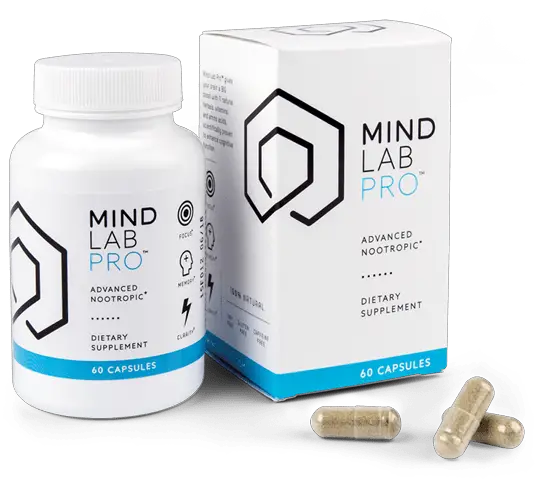
Mind Lab Pro was formulated with 11 bioactive ingredients shown, in clinical studies, to have the biggest impact on mental health and performance.
Taking Mind Lab Pro will help you:
- Increase focus and mental energy
- Improve work rate
- Enhance productivity (get more done in less time)
- Have a better memory
- Decrease stress & anxiety
While some nootropic supplements only affect 2 or 3 brain pathways.
Mind Lab Pro targets an impressive 6 different brain pathways for improved neurogenesis, brain energy, brainwaves, cerebral blood flow, brain cell protection, and neurotransmitters.
Mind Lab Pro uses Rhodiola Rosea, an adaptogenic herb that increases physiological resilience to stress.
(1) One study found that Rhodiola Rosea has an antidepressant effect that’s comparable to Sertraline, a prescription antidepressant. (2)
Lion’s Mane Mushroom in Mind Lab Pro keeps your brain young by promoting nerve cell growth. (3, 4) Pine Bark Extract fights brain cell aging and boosts blood flow to the brain, which helps you stay sharp at any age.
(5) Learn more about Mind Lab Pro’s ingredients by clicking here.
What do others say?
One thing that cements Mind Lab Pro as the market leader is its user reception.
There are endless testimonials for this nootropic online and their website has great reviews. For us, this is equally as important as its impressive ingredient profile.
The Good
- Patented ingredients
- Long-term brain support
- The formula has been updated three times since 2015
- Nature-identical B vitamins grown using NutriGenesis® technology
- Vegan Plantcaps made of fermented tapioca
- Stimulant-free, GMO-free, soy-free, allergen-free
- Produced in cGMP and FDA approved facilities
- 30 day money-back guarantee
The Bad:
- Premium price
- You can only buy it directly from the manufacturer
- CDP-Choline dose is too light if you’re using Racetams
Read My Mind Lab Pro Full Review
or
2 – Performance Lab Mind
Performance Lab Mind is an ultramodern nootropic for brainpower and cognitive well-being. Although it’s 2nd overall, my team rates it as the best nootropic for stacking with other supplements.
You can think of Performance Lab Mind as a more focused version of Mind Lab Pro. It contains only four ingredients in generous dosages, each one boosting your cognitive function in its own way.
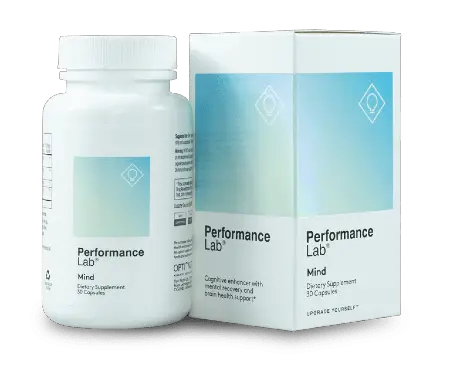
Even though it has such a seemingly simple formula, Performance Lab Mind still covers all the most important aspects of your mental performance.
This includes brain energy, neuroprotection, brain cell regeneration, and neurotransmitters.
The formula is open sourced and of cleanest quality. Meaning, there’s no fillers, waste, or unnecessary ingredients.
Benefits you’ll experience taking Performance Lab Mind include:
- Enhanced focus
- Reduced stress and anxiety
- Better memory
- Improved productivity
The key advantage of this nootropic is how easily it can be combined with other supplements.
In fact, Performance Lab Mind has been formulated to work together with other Performance Lab supplements.
My favorite is Performance Lab Mind+ Stim– it helps to keep us productive for hours when otherwise I’d feel exhausted.
Perfect for Stacking
If you’re looking to enhance other aspects of your health, then Performance Lab Mind is perfect for stacking with the following supplements.
Depending on your goals, Performance Lab has products to improve your:
Performance Lab Mind Pros and Cons
The Good
- Protects brain cells from oxidative stress
- Promotes nerve growth
- Excellent ingredient quality
- Extremely safe
- Vegan friendly
- Top-notch, branded ingredients
- Impressive value for money
- Can be easily stacked with other nootropics
The Bad:
- Not as advanced as Mind Lab Pro
- Doesn’t have stimulants like caffeine, but you can stack it with Stim
- You can only get it on the official website, much like MLP
3 – Gaia Herbs Stress Response
If the thing wrecking your focus is stress rather than a slow brain, this is the one I’d buy – and it’s the cheapest thing on this page by a distance.
Let me be straight about what it is and what it isn’t. Stress Response is an adaptogen blend – ashwagandha and holy basil, plus rhodiola and schisandra, in vegan liquid phyto-caps. It is not a nootropic the way Mind Lab Pro is. It won’t sharpen your recall and it won’t do a thing for your reaction time. Nothing on the label claims it will, which honestly I appreciate. Most of this industry would have claimed it.
What it does is take the edge off. Two caps to a serving, no caffeine and no stimulant of any kind, so it doesn’t leave you wired at four in the afternoon the way a “focus” formula built on 200 mg of caffeine does. The doses are sensible rather than heroic, and on a herbal formula that’s the right call – the studies behind these plants used sensible doses too.
READ: My full Gaia Herbs Stress Response review
Our original pick has been discontinued by Amazon. This is the closest current match we could find.

- Herbal Relaxation Supplement: Gaia Herbs Stress Response provides daily stress support and energy support for occasional fatigue*
- Adaptogen Supplement: Formulated with adaptogens that support healthy sleep, energy, and stress response and ideal for those seeking non-stimulant support*
- Herbal Supplement: This wellness support supplement is gluten-free, dairy-free, and soy-free*
$18.89 In Stock
Paid link · price checked October 14, 2026 09:15
The Good:
- Adaptogens with real safety data behind them, at doses the research actually used
- Zero stimulants – it relaxes you without making you drowsy
- Vegan liquid phyto-caps
- By far the cheapest thing on this page
The Bad:
- 30 capsules is 15 servings, so a bottle is gone in a fortnight at the full dose
- Does nothing for memory or focus. This is a stress product, full stop
My score: 4/5. It loses the point on servings per bottle, not on the formula. And if what you actually have is brain fog rather than stress, skip this one and buy Mind Lab Pro instead – they are not solving the same problem.
The single ingredients worth buying on their own
This is the section I’d have wanted in 2021, and it’s new to this page.
A stack is a convenience purchase. You’re paying for someone else to decide the ratios, put it in one capsule, and save you from a shelf of eight bottles. That’s a real service and I’m not sneering at it. I take one. But if the dose audit above bothered you, the fix is boring and cheap: buy the two or three ingredients you actually care about, at the dose the studies used, on their own.
Everything below I’ve bought myself. None of these companies has ever sent me anything.
Creatine monohydrate: the one I’d buy first
If you take one thing off this page, make it this. It’s the only ingredient here where cost per serving is low enough that you can take the dose the researchers used and not think about it. Plain monohydrate, not a fancy buffered version. The fancy ones cost more and haven’t beaten monohydrate in a head-to-head.
Powder over capsules, and it’s not close. To get 5 g from capsules you’re swallowing a lot of them; the powder is a scoop in whatever you’re already drinking. It doesn’t taste of much.
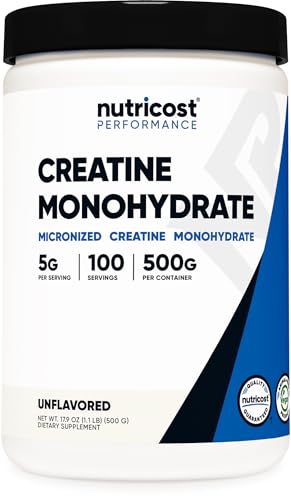
- High Quality Micronized Creatine Monohydrate
- Get The Strength and Endurance You've Been Working For
- 500 Grams of Creatine Monohydrate Per Bottle
$21.50 In Stock
Paid link · price checked October 14, 2026 09:15
L-Theanine: the one that works with your coffee
Caffeine plus L-theanine is the best-evidenced combination in this whole category, and it’s also the cheapest to test. 200 mg sits inside the studied range, and 100 to 200 mg is what the trials used, so a single capsule with your morning coffee is the real protocol rather than a scaled-down version of it.
What it does, in my notes, is take the edge off the coffee without taking the coffee away. If caffeine makes you feel wired and slightly stupid, this is a cheap experiment worth running before you spend premium-stack money on anything.

- ALERT & CALM: L-Theanine, commonly found in the flavonoid herbal green tea, is used as an ayurvedic substitute for those who want the antioxidant benefits of green tea but without caffeine. Encapsulated in a once-daily liquid softgel, our L-Theanine supports feelings of relaxation, calm, focus, and alertness*
- DOUBLE THE SUPPORT: To optimize your potential and give the utmost support, our L-theanine 200 mg amino acid softgels provide double the amount of L-theanine green tea extract commonly found in energy supplements in a convenient max-strength formula
- PATENTED SUNTHEANINE: Formulated with patented and clinically researched Suntheanine—you get all of the alertness and relaxation (+ the increase in alpha brain waves) without the jitters or crash of caffeine, energy pills, or energy drinks*
$19.95 In Stock
Paid link · price checked October 14, 2026 09:15
Bacopa monnieri: at the dose the studies actually used
Remember the table: the stack gives you 150 mg. The 12-week trial that made bacopa’s name used 300 mg, and the general trial range is 300 to 450 mg. This one is 450 mg a capsule, so on milligrams alone one capsule puts you at the top of that range instead of half way to the bottom of it.
One caveat, and I’d be a hypocrite to skip it after the table above. It’s standardized to 20% bacosides, and the trials used 24% to 55%. So the milligrams match and the extract is a shade weaker than the research. It’s still far closer than 150 mg at 24% is.
Two honest warnings. Bacopa is slow — the trials ran 12 weeks, and four weeks of it will tell you nothing. And it upsets a lot of stomachs if you take it without food. Take it with a meal, and give it the full three months or don’t bother starting.

- BECOME YOUR BEST SELF: Bacopa may help support memory and mood so you can feel your best and think your best
- SUPPORTS MEMORY FORMATION: Bacopa may help support the rate at which the nervous system communicates by supporting the growth of nerve cell endings called dendrites
- SUPPORTS HEALTHY MOOD: Studies have shown Bacopa may help support a healthy mood
$17.95 In Stock
Paid link · price checked October 14, 2026 09:15
Lion’s Mane: powder, because capsules can’t get you there
The trials used 2 to 3 grams a day. Most capsules hold 500 mg, so hitting that means four to six capsules, and at that point you’re paying a capsule premium on a mushroom. Powder is how you get to the studied dose without it being silly.
Read the research section above before you buy this one. I’m listing it because the dose is reachable, not because I think it’s a sure thing. The evidence is genuinely mixed and I’d rather you knew that going in.
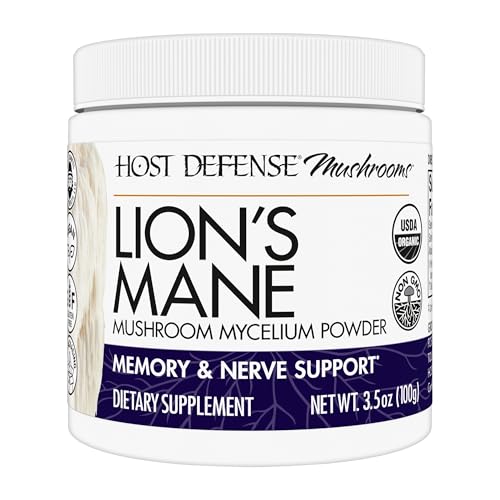
- Lion's Mane for Brain Support: This mushroom supplement supports immune and nervous system health as well as brain health, making it an ideal dietary supplement for those wanting to aid their focus and memory*
- Dietary Supplement with Mushroom Mycelium: Our brain and focus support supplement is formulated with Lion's Mane, "The Smart Mushroom," for daily brain support*
- About Host Defense: Host Defense Mushrooms was founded by renowned mycologist Paul Stamets; our mushroom mycelium is certified organic, non-GMO, gluten-free, and grown in the USA*
$23.96 In Stock
Paid link · price checked October 14, 2026 09:15
Rhodiola rosea: if you want the trial dose, not the garnish
The 50 mg in most stacks is the one that annoys me most, because rhodiola has decent human evidence and 50 mg isn’t in any of it. The lowest dose that has ever shown an effect in a trial was 170 mg, in physicians working night shifts. The burnout study used 576 mg.

- MAX SALIDRIOSIDE CONTENT OF 3%: Double Wood’s Rhodiola extract contains 3% salidrosides. This active ingredient is ultra concentrated to support a more positive mood. Most Rhodiola extract supplements contain less than 1% Salidrosides
- SUPPORTS MOOD AND MENTAL ENERGY: Rhodiola is an adaptogen compound that supports mood, mind and physical energy levels
- PROMOTES HEALTHY STAMINA: Rhodiola supports physical and mental energy levels so you can think your best and be your best
$17.95 In Stock
Paid link · price checked October 14, 2026 09:15
READ: What Should I Stack With Rhodiola Rosea?
Omega-3: the unexciting one that’s probably doing the most
DHA is the most abundant fat in your brain and most people eating a normal American diet don’t get near enough of it. This isn’t a nootropic in the sense of something you feel on a Tuesday afternoon. It’s the long game, and it’s the one I’ve never stopped buying.

- WHY OMEGA-3s – Research shows that the essential fatty acids EPA & DHA in fish oil support heart, brain, eye function.*
- #1 SELLING OMEGA-3 BRAND IN THE U.S* – Nordic Naturals Ultimate Omega features high concentration omega-3 fish oil in soft gels; This formula meets the daily recommended dose suggested by the American Heart Association to support heart function* *Based on Stackline, Nielsen, and SPINS annual sales data in the U.S. as of 4/16/2026. **Based on SPINS Scan Data as of 4/8/2026.
- BETTER ABSORPTION, BETTER TASTE, NO FISHY BURPS – All of our omega-3 fish oil concentrates are in the triglyceride molecular form (the form naturally found in fish) for optimal absorption.
$32.39 In Stock
Paid link · price checked October 14, 2026 09:15
READ: My Omega-3 Guide
How to do this check yourself in two minutes
You don’t need me for this. Here’s the whole method, and it works on any brain supplement you can find.
- Find the supplement facts panel, not the marketing page. If a company won’t show you the panel before you buy, that’s your answer.
- Check the serving size first. A panel that looks generous at “2 capsules” is half as generous as it looks if the bottle holds 60 capsules and calls that 60 servings. This is the most common way a label misleads without lying.
- Look for the words “proprietary blend.” If you see them, you get one total for the whole blend and no individual doses. There is no way to check anything. I treat that as a no.
- Take the two or three ingredients you’re actually buying it for, and search the ingredient name plus “randomized trial dose.” Compare. That’s the audit.
- Check for a third-party seal: NSF, USP, or Informed Choice. This is about what’s in the bottle rather than how much, and it matters more in this category than most. Nootropics and pre-workouts sit in the group of supplement types most often found carrying undeclared ingredients.
Step 4 is the one that changes what you buy. Nearly every product in this category contains something with a real trial behind it. The question is never “is this ingredient studied”, because the answer is always yes. The question is whether the bottle contains as much of it as the study did.
READ: Proprietary Blends: Why You Can’t Tell What’s In the Bottle
READ: Third-Party Tested Nootropics: What Those Seals Actually Mean
Valentino’s Naturals Recommendation
We ranked the top 3 nootropic stacks strictly based on product testing, user experiences, clinical research and potency.
Mind Lab Pro is my team’s pick of the very impressive bunch, but all of them can deliver amazing results.
For my best nootropic stack for this year, follow the link below:
Visit: www.mindlabpro.com
Conclusion
Mind Lab Pro keeps my number one spot, and it keeps it for a reason I can defend: it is the one product here that has been tested as a finished product rather than as a list of ingredients other people studied separately. Three human trials on the actual capsule, which is more than I could find for anything else in this category. I personally buy it, and I’ve bought it for years.
But I’d rather you left this page with the table than with the recommendation. Four of eleven ingredients in my own top pick are underdosed against the trials they’re borrowed from, and one is at about 1.6% of it. That’s not unique to this product. It’s how the category works, and now you can spot it on any label in about two minutes.
If you’ve got $25 and you want the highest chance of noticing something, buy creatine and L-theanine and skip the stacks entirely. If you want one bottle, one decision and a formula that’s been trialled as a whole, buy Mind Lab Pro. Both are defensible. What isn’t defensible is spending about $69 a month, which is roughly what the premium stacks run, on a proprietary blend that won’t tell you what’s in it.
One last thing, and I say it on every page like this: I’m not a doctor. I’m a guy who reads labels and keeps notes. If you take medication, especially antidepressants, blood thinners or anything for blood pressure, run any of this past a pharmacist first. It’s a free conversation and it takes five minutes.
Questions go in the comments and I answer them. That would be it folks!
References
- Stress management and the role of Rhodiola rosea: a review. (source)
- Rhodiola rosea versus sertraline for major depressive disorder: A randomized placebo-controlled trial. (source)
- Peripheral Nerve Regeneration Following Crush Injury to Rat Peroneal Nerve by Aqueous Extract of Medicinal Mushroom Hericium erinaceus (Bull.: Fr) Pers. (Aphyllophoromycetideae). (source)
- Nerve Growth Factor-Inducing activity of Hericium erinaceus in 1321N1 Human Astrocytoma Cells. (source)
- Pycnogenol, French maritime pine bark extract, augments endothelium-dependent vasodilation in humans. (source)
- Improved Attentional Performance Following Citicoline Administration in Healthy Adult Women.
- Citicoline Enhances Frontal Lobe Bioenergetics as Measured by Phosphorus Magnetic Resonance Spectroscopy.
- Stress Management and the Role of Rhodiola rosea: A Review.
- Phosphatidylserine and the Human Brain.
- Neurotrophic Properties of the Lion’s Mane Medicinal Mushroom, Hericium Erinaceus (Higher Basidiomycetes) From Malaysia.
- Silveri et al. Citicoline enhances frontal lobe bioenergetics as measured by phosphorus magnetic resonance spectroscopy. NMR in Biomedicine, 2008.
- Acute effects of a standardised extract of Hericium erinaceus on cognition and mood in healthy younger adults. Frontiers in Nutrition, 2025.
- Randomised, double-blind, placebo-controlled study evaluating Hericium erinaceus on cognitive performance and subjective wellbeing. medRxiv preprint, April 2026.
- Kucuksahin et al. The impact of citicoline/phosphatidylserine supplementation on cognitive performance in mental disorders: a systematic review. Human Psychopharmacology, 2026.
- Single-dose creatine reduces sleep-deprivation-induced deterioration in cognitive performance. Nutrients, 2026.
- The effects of creatine supplementation on cognitive function in adults: a systematic review and meta-analysis, 2024.
- Darbinyan et al. Rhodiola rosea in stress-induced fatigue: SHR-5 in physicians during night duty. Phytomedicine, 2000.
- Cognitive Vitality rating for Lion’s Mane, Alzheimer’s Drug Discovery Foundation.
Verified By
Dr. Nazish Idrees Chaudhary, PhD
Consultant Clinical Psychologist & Senior Lecturer UCMD UIRSMIT Department; Clinical Placement Supervisor LSPS Psychology Department, University of Lahore, Pakistan
◆Program Director, Civil Fellowship Training for Addiction Professionals, Silver Lining Rehabs Pakistan
◆Clinical Practice, Khalid Clinic, Gulberg 3, Online counseling and psychotherapy sessions since the pandemic
◆Certified NLP and Hypnotherapy Practitioner
◆Diploma Dialectical Behaviour Therapist, 150 CPD, UK
◆Dip. Couple and Relationship Therapist, 150 CPD, UK
◆Certified Addiction Prevention Coordinator, UNODC
◆Certified Addiction Coach, PFRD, Columbo Plan, Pak
◆Certified Diet and Nutritional Advisor, 200 CPD, UK
◆Enhancing memory Diploma Certification, UK by COE
◆Member YPA (PAK), ISSUP (Sri Lanka) and IAHT, UK
◆President IYPS and V.P. ISSUP Lahore Chapter
◆Former lecturer, Punjab University College of Information Technology ◆M.S. Clinical Psychology, University of Central Punjab, 2016 (Silver Medalist) ◆Conducted several awareness Training and Workshops, Volunteer therapeutic services
and Won Award for that in Comsats Abbottabad National Conference 2017 ◆Other experiences, PIMH, Children Hospital, Ehsas Clinic, SOS Children Villages, Special Children Centre, University of Home Economics, Mayo Hospital
Publications:
- Psychological flexibility scale for university students: scale development employing exploratory and confirmatory factor analyses. Journal of Professional Psychology: Research and Practice. Volume 11, No. 2, September 2020.
- Efficacy of Dialectical Behavior Therapy for the Management of Suicidal Ideation & Deliberate Self-Harm: A Case Study from the Clinical Population in Lahore, Pakistan. Pakistan Journal of Medical Research (PJMR), 59, 2, 24 June 2020.
- Effect of Dialectical Behavior Therapy on Trait Emotional Intelligence and Emotional Regulation of Suicidal Patients in Pakistani Context. Global Scientific Journal (GSJ), Volume 8, Issue 2, February 2020.
- Culture-Bound Syndromes in Pakistan: Implications and Strategic Vision for Health Management. Pakistan Journal of Neurological Sciences (PJNS), Volume 14, Issue 4. September 2019.
- Treatment Outcomes of Dialectical Behavior Therapy on the Level of Suicidal Severity and Distress Tolerance in Suicidal Patients. International Journal of Scientific and Engineering Research, Volume 8, Issue 9. September Edition, 2017.
Find me here: https://www.facebook.com/peculiarcoach, https://www.linkedin.com/in/nazish-chaudhary-bb089140/
or write to me: [email protected]

Juliana Andrade, PhD
Fact-Checking was carried out by Juliana Andrade, MS. Juliana has a background in neurosciences and is currently a PhD student – she investigates brain connectivity in obsessive-compulsive disorder.
You can find her publications here. She also works as a science writer, writing about science and mental health to a broad audience in social media. She can be reached at Twitter and Linkedin.

Ahmad Mahmood, PhD
The facts stated on this page have been checked and found to be consistent with the scientific literature (most recent literature was used for fact checking).
Fact Checking was carried out by Ahmad Mahmood, PhD from Professional Writings.
Ahmad Mahmood has a background of studying and exploring ‘food as medicine’ and has expertise in plant metabolomics, and currently works as a freelance academic writer, editor and proofreader. He can be reached at Twitter.