
Cold brew has more caffeine than iced coffee at the same cup size. At Starbucks, a Grande cold brew is listed at 205 mg of caffeine and a Grande iced coffee at 165 mg. Cold brew is not meaningfully less acidic, though. The one study I could find that measured both side by side found the same pH range in each. And at home, cold brew costs me close to twice as much per cup, because it simply eats more coffee.
That’s the short answer, folks.
I’ve been drinking both since the summer, and I kept going well into fall. Caffeine is the one “nootropic” almost everybody already takes every morning, so I wanted to know what I was actually paying for. I read the labels, I read the studies, and I wrote it all down in my notes the same way I do for every supplement on this site.
One quick thing first. I’m not a doctor. I’m a guy who reads labels and research papers and keeps a notebook. If caffeine is a health question for you, your doctor is the right person to ask, not me.
Here’s what I’ll cover:
- how cold brew and iced coffee are made, and why that changes what’s in the glass
- which one has more caffeine, size by size
- whether cold brew is really easier on your stomach
- the cost per serving when you make each one at home
- which one I’d pick, and when
How Cold Brew and Iced Coffee Are Made
They look the same in the glass. They’re made in completely different ways.
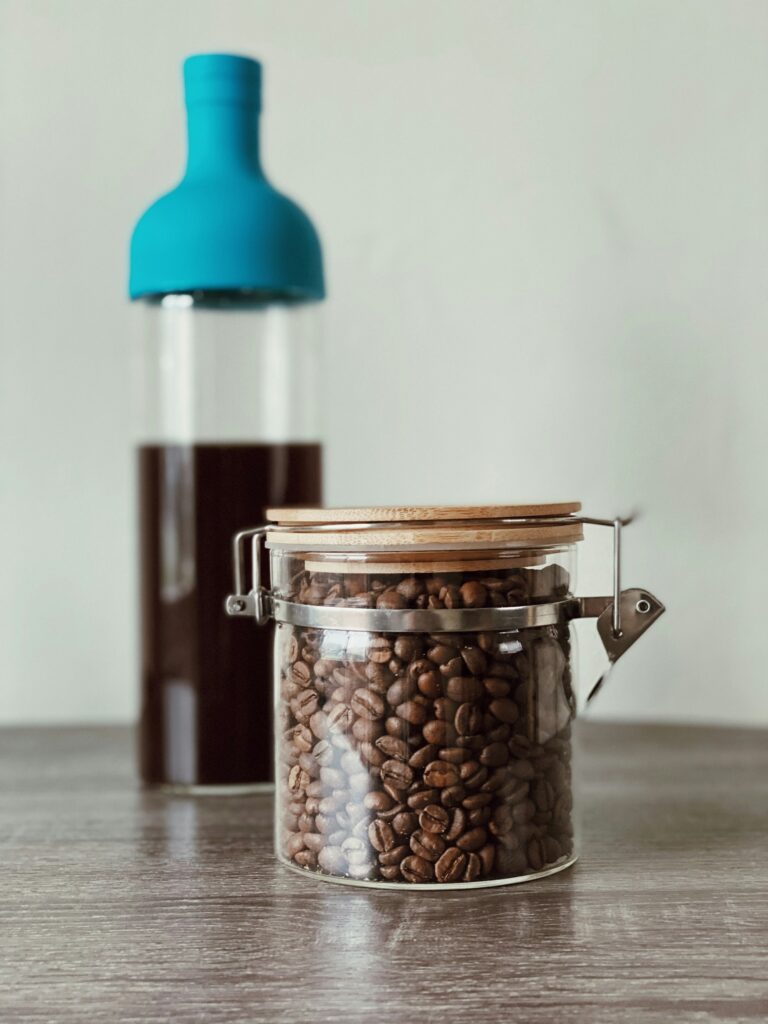
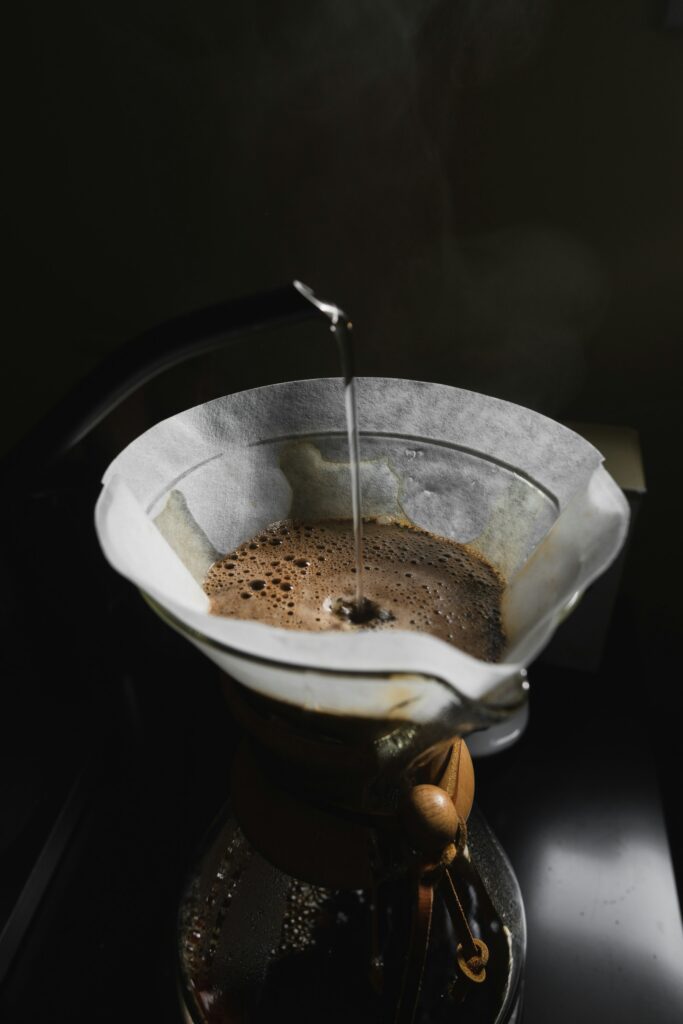
Cold brew never touches hot water. You soak coarse grounds in cold or room-temperature water for hours, then filter the grounds out. Starbucks says its cold brew is slow-steeped in cool water for 20 hours. The glass bottle in that photo is the same kind of thing I bought myself for this: grounds go in the filter up top, water goes around them, and the whole bottle sits there doing its thing while you get on with your day.
Iced coffee is regular hot coffee that gets cold. Most shops brew it hot, chill it, and pour it over ice. At home you can brew it straight onto ice, which is what I do most mornings. The ice melts as the hot coffee hits it, so you brew it a bit stronger to make up for the water.
That one difference, heat, changes what ends up in your cup. Hot water pulls stuff out of the grounds in minutes. Cold water needs hours to get close, and it pulls a slightly different mix. In the 2018 study I lean on below, the hot coffee was made with boiling water and steeped for 6 minutes in a French press. The cold brew sat for 7 hours.
So even from the exact same bag of beans, you’re getting two different drinks. That’s not marketing. It’s chemistry, and it’s the reason the rest of this post exists.
Which Has More Caffeine? The Label Says Cold Brew
Here’s the part most of you came for.
Starbucks publishes caffeine numbers for its drinks, and Caffeine Informer keeps the full list by cup size. At every single size, cold brew comes out ahead of iced coffee.
A Tall (12 fl oz) cold brew is listed at 155 mg, and a Tall iced coffee at 120 mg. A Grande (16 fl oz) is 205 mg against 165 mg. A Venti (24 fl oz) is 310 mg against 235 mg. The 30-ounce Trenta is 360 mg against 285 mg.
So the gap runs from 35 mg on the smallest cup to 75 mg on the two biggest ones. On a Grande it’s 40 mg, which is about a quarter more caffeine for the same size cup.
Cold brew comes out ahead for two reasons, and neither one is magic.
First, cold brew is usually made with a lot more coffee per cup. I’ll show you that math in the cost section, because it’s the same math. Second, it isn’t only the amount of coffee. In a 2017 study in Scientific Reports, cold brew made from coarse grounds had substantially more caffeine than hot coffee brewed at the same coffee-to-water ratio. That surprised me. I’d always assumed hot water would win on caffeine every time.
Now, one thing the label won’t tell you. Those are a chain’s numbers for its own recipe. Your homemade cold brew can land well above or well below them, depending on how much coffee you use and how much you water it down. A cold brew concentrate you drink straight out of the jar is a whole different animal, so read the bottle if you buy one at the store.
If you want rough numbers for other drinks, our free caffeine content chart lists the common ones side by side.
Cold Brew Isn’t Really Less Acidic: What the Studies Used Found

This is the claim I see everywhere. Bags, menus, blogs. Cold brew is gentle on your stomach, people say, because it’s so much less acidic than hot coffee.
In 2018, two chemists at Thomas Jefferson University in Philadelphia, Niny Rao and Megan Fuller, actually put that to a test. They made cold brew and hot brew from six light roasts. Two came from Ethiopia, plus one each from Brazil, Colombia, Myanmar, Mexico. For the cold brew, they put 35 grams of coffee in 350 mL of water in a 32-ounce Mason jar and let it sit 7 hours at room temperature. The hot brew used the same coffee-to-water ratio.
Here’s what they found. The pH of both brews landed in the same narrow range, 4.85 to 5.13. That’s the number most people mean when they say “acidic.” The hot brews actually had more total titratable acid, which is a measure of how much acid is in there overall, and more antioxidant activity too.
In plain English, cold brew does carry less of some acids. But by pH, it’s basically the same drink.
The same paper’s introduction also mentions older studies where decaf caused less reflux than regular coffee. The authors read that as a hint that caffeine might play a bigger part in coffee heartburn than acidity does. A hint is not a verdict, and I’m not going to turn it into one. If coffee bothers your stomach, talk to your doctor before you buy a new brewer and hope it fixes things.
Why Cold Brew Still Tastes Smoother
I’m not going to tell you your taste buds are lying. Cold brew tastes smoother to most people, me included.
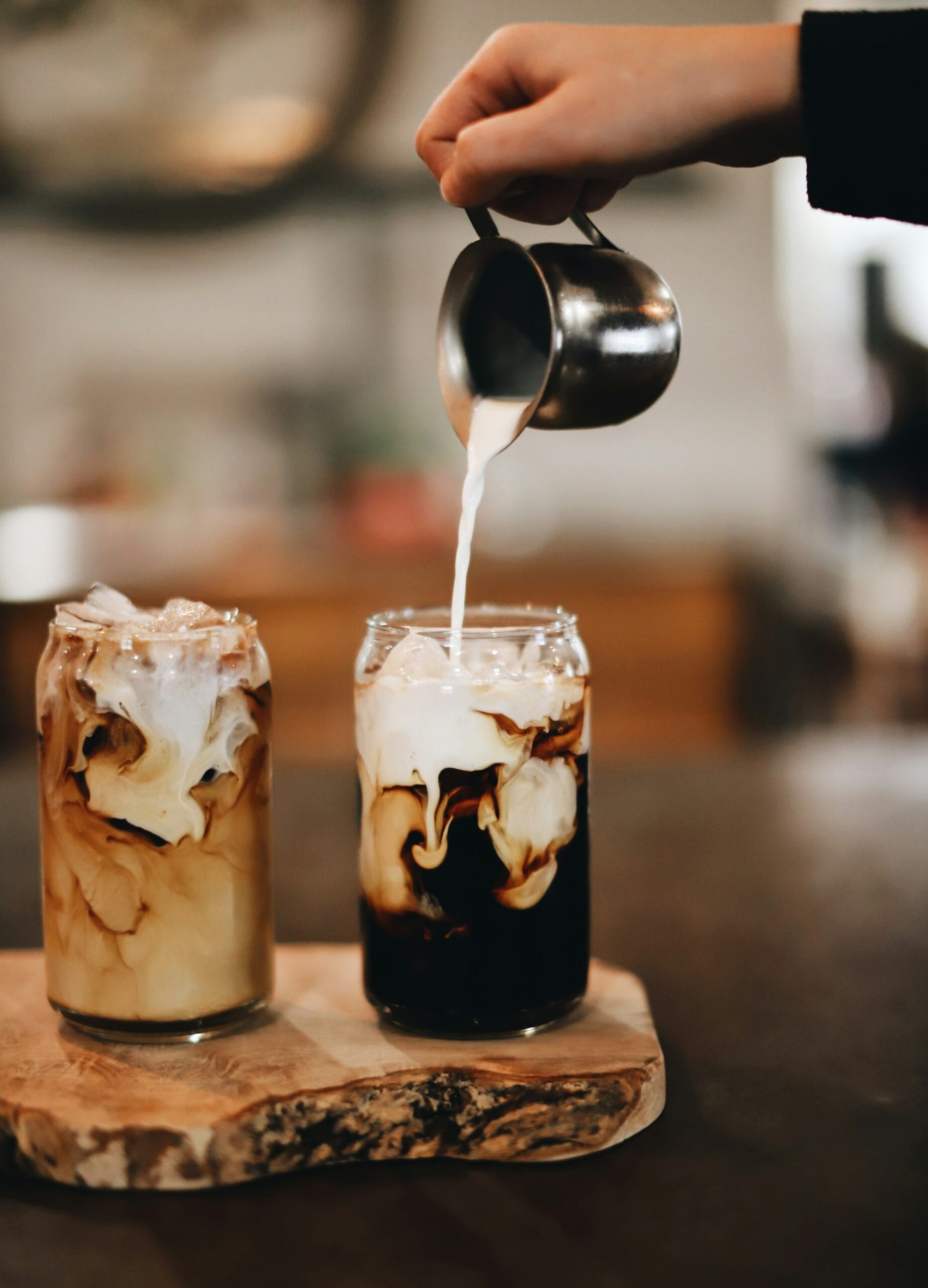
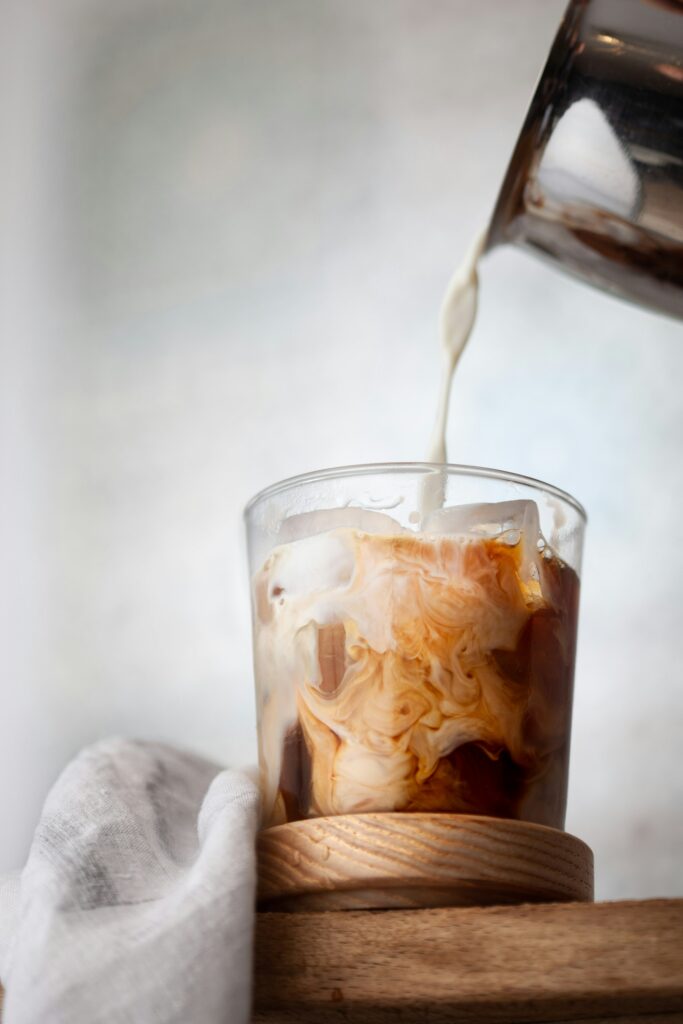
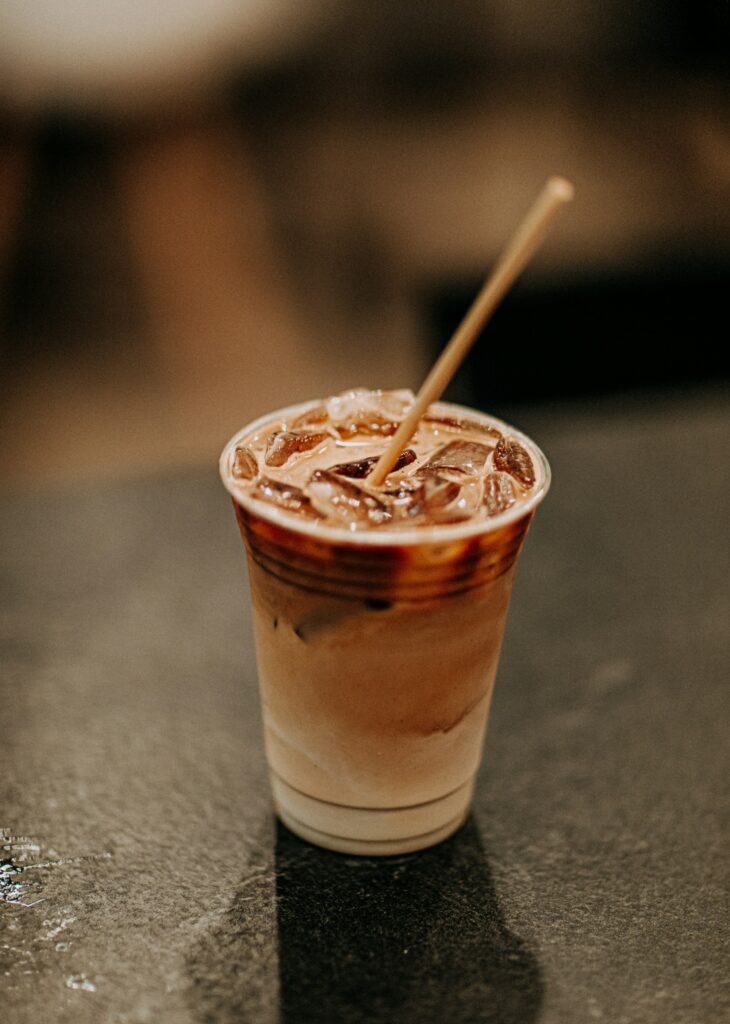
My guess, and it’s only a guess, is that the lower total acid in that study is part of it. Same pH, less acid overall. The other part is kinda boring. Most cold brew gets milk, sweet cream or syrup poured into it, like that photo, and a big swirl of milk hides a lot of bitterness in any coffee.
I didn’t expect this next part, though. In my notes from four weeks of cold brew at home, the line I wrote most often was “easy to drink fast.” That’s a taste note, not a health note. But it’s also how I’d finish a big glass in about ten minutes without thinking about it.
That matters once you remember the caffeine numbers from a few minutes ago. A smooth drink with more caffeine is a drink you can overdo without noticing. I’ll come back to that.
Cost Per Serving: I Did the Math at Home
This is the part almost nobody talks about. Cold brew takes a lot more coffee.
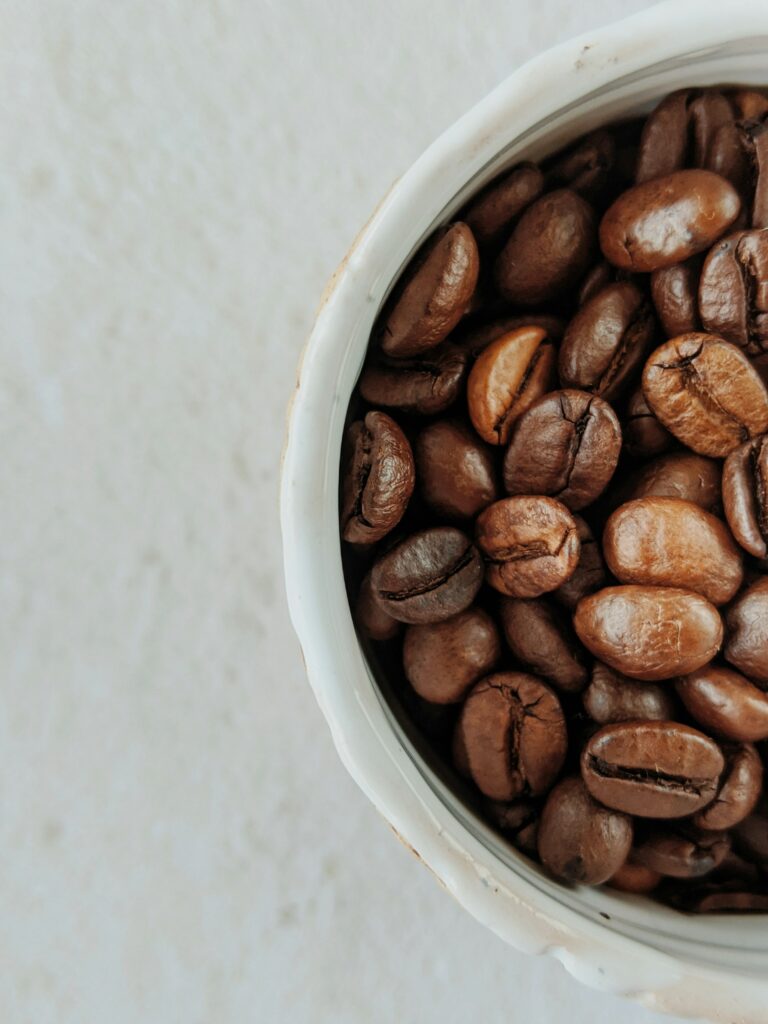
Say you buy a 12-ounce bag of beans, which is 340 g, for $15. That’s about 4.4 cents per gram of coffee.
For hot coffee, the Specialty Coffee Association’s long-standing target is about 55 grams of coffee per liter of water, or roughly 1:18. A 12 fl oz cup is 355 mL of water, so that’s 19.5 g of coffee. At 4.4 cents a gram, it’s about 86 cents a cup.
For cold brew, I use the same 1:10 ratio the 2018 study used. Same 355 mL of water, but now it’s 35.5 g of coffee, or about $1.57 a cup. And that’s before the wet grounds hang on to some of your water, so you actually pour out a little less than you put in.
So cold brew costs me close to twice as much per cup at home. If you drink two a day, the difference comes to about $42 a month. Not a dealbreaker. Still worth knowing.
Cost per serving is the same math I run on every supplement label on this site. A cheap-looking bottle can cost more per day than a pricey one once you count the capsules, and coffee works exactly the same way. The bag price tells you almost nothing. The grams per cup tell you everything.
READ: Caffeine as a Nootropic – Benefits, Dose, Side Effects and More
Making Cold Brew at Home (7 Hours Is Plenty)
Most cold brew recipes tell you to steep it for 10 to 24 hours.
Turns out you may not need that long. The 2017 study tracked caffeine plus one of coffee’s main chlorogenic acids, and both stopped climbing somewhere between 6 and 7 hours. After that, the levels held steady. Grind size didn’t change them much. Roast did: medium roast gave higher levels of both than dark roast.
That’s why the 2018 study steeped for 7 hours. It’s also why I stopped doing 18-hour batches.
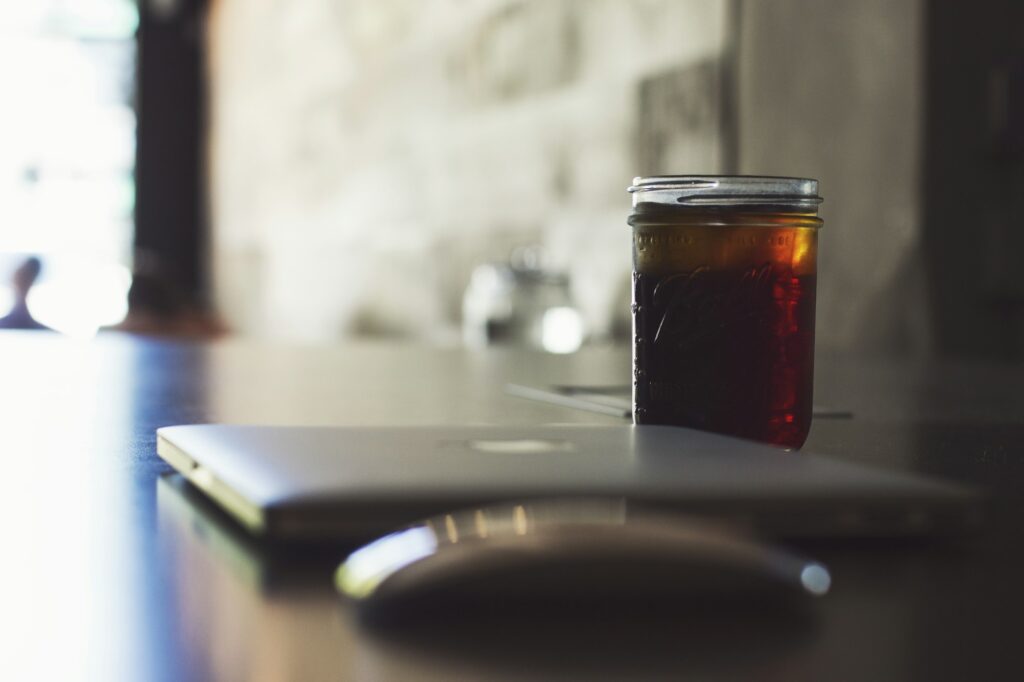
Here’s my routine now. I weigh the coffee and the water at 1:10, stir so every ground gets wet, cover the jar, and leave it on the counter for about 7 hours. Then I pour it through a paper filter and keep it in the fridge. The jar in that photo, sitting on a desk next to a closed laptop, is pretty much what my kitchen table looks like on a Sunday afternoon.
Longer steeps aren’t wrong, by the way. Lots of people like the taste. They just may not get you any more caffeine.
The FDA’s 400 mg Line (and Your Sleep)
So why does a 40 mg gap matter? Because of how much of this stuff we already drink.
The FDA says 400 mg a day, which it puts at about two to three 12-ounce cups of coffee, is an amount not generally associated with negative effects for most adults. It also says people vary a lot in how sensitive they are to caffeine and how fast they get rid of it.
Now hold that next to the label. A Venti cold brew at 310 mg is most of that line in one cup. Two Grande cold brews come to 410 mg. And because cold brew goes down so easy, you’d never notice you’d crossed it.
That 400 isn’t a target, folks. It’s a line the FDA says most adults stay fine under. If you’re pregnant, trying to get pregnant, breastfeeding, or you have a health condition or take a medicine you’re not sure about, the FDA’s advice is to talk to your health care provider. I’d say the same thing. This post can’t give you a personal number, and I won’t pretend it can.
The part I watch most is timing. Caffeine hangs around for hours, so a big 3 p.m. cold brew is still with you at bedtime. Our caffeine half-life calculator shows roughly how much is left by the time you go to bed. In my notes, the nights I wrote “slept badly” sit right next to the afternoon cold brews. Every time.
READ: Mind Lab Pro vs Caffeine: Which Should You Actually Buy?
So Which One Should You Drink?
Honestly? Whichever one you like, at a size that fits your day.
If you want the most caffeine per cup, cold brew wins. If cost per serving matters to you, iced coffee wins by a lot. And if you were hoping cold brew would fix a sour stomach, the study doesn’t back that up, and that’s a conversation for your doctor anyway.
Me? Iced coffee most mornings, brewed hot right onto ice. It’s cheaper, it’s quicker, and I know roughly what’s in it. Cold brew on the weekends, in the smaller glass, and before noon.
Conclusion
Cold brew has more caffeine than iced coffee at the same size. It isn’t really less acidic by pH. And it costs about twice as much to make at home, because it uses nearly twice the coffee.
None of that makes cold brew bad. I still love it. I just drink it knowing what’s in the glass.
Got a cold brew question, or a coffee label you want me to look at? Drop it in the comments, I read every one. That would be it folks!