Some afternoons the third cup of coffee stops feeling like help. Your hands buzz, your head is racing, and you still can’t get through the email in front of you. It’s a common question, folks: what can I sip instead that doesn’t leave me wired?
Here’s the honest answer. A few drinks are naturally free of caffeine, and a couple of them are genuinely nice. None of them will do what a strong coffee does, and that’s the point. I’m not a doctor, so nothing here is medical advice, and if you’re pregnant, on medication or managing a condition, your own doctor gets the final say on what you drink.
What’s Actually in Your Usual Cup

Before swapping anything, it helps to see what you’re swapping away from. An 8-ounce cup of brewed coffee carries about 96 milligrams of caffeine. Brewed black tea comes in at 48 and brewed green tea at 29. Decaf is not zero, but it’s close: about 1 for decaf coffee and 2 for decaf black tea.
So a lot of the “I’ll just drink tea instead” plan quietly keeps half your caffeine. Black and green tea are cousins of coffee in this one way. If the jitters are the problem, the drinks below are the ones that actually leave caffeine out.
Herbal Teas: Peppermint and Ginger First

Herbal teas, often called tisanes, aren’t made from the tea plant at all. They’re steeped from leaves, roots and petals, and as the herbal tea overview puts it, most of them don’t naturally contain caffeine. Peppermint and ginger are the two I’d start with. Both are easy to find, they cost little, and they taste like something even when the cup is plain. Steep either for about 5 minutes in a regular 8-ounce mug and you’re done.
There’s one catch worth knowing. A few herbal-style drinks do carry caffeine or a similar stimulant, with guarana and cacao-bean tea the usual examples. So “herbal” on the front of a box isn’t a guarantee. Turn it over and read the label.
And be honest with yourself about what peppermint is for. It’s a pleasant, warm, flavorful drink. It’s not a focus supplement, and nobody should sell it to you as one. If a box promises sharper thinking in four weeks, I’d be skeptical, because a box that won’t tell you how much of the herb is in it isn’t telling you much.
Rooibos: The Tea That Isn’t Tea

Rooibos is a red bush from South Africa, and it’s the swap I’d suggest first for anyone who misses black tea. It brews dark amber and has a slightly sweet, woody taste. Rooibos is caffeine-free and low in tannins, so it skips the dry, puckery bite strong black tea can have.
A bag of plain rooibos doesn’t have caffeine in it. Blends can be different, though. If the box says “chai” or “with green tea,” the second ingredient can bring caffeine back in. It’s the same label-reading habit again, and it takes about ten seconds.
Add milk if you like it, or a slice of orange. It holds up to either, and a pot of it on the desk lasts the whole afternoon. The Medical News Today page suggests steeping it for at least 5 minutes, so set a timer and let it brew while you finish what you were doing.
Chicory: The Coffee Lookalike

If what you miss is the ritual of a dark, roasted mug, chicory is the closest match. The root is dried, roasted and ground, then brewed into a coffee-like drink with no caffeine. It tastes earthy and a little bitter, and honestly it’s not identical to coffee. But in a big mug with milk, plenty of people stop noticing.
It has a stomach side, though. Chicory root is rich in inulin, a prebiotic fiber, and the same page notes that inulin can cause gas, bloating or cramping, especially at first. A few other groups are told to be careful too: people with gallstones, people with ragweed or related plant allergies, and pregnant or breastfeeding women with larger amounts. If that’s you, I’d check with your doctor first.
The easiest way in is to cut back slowly. Mix chicory half and half with your usual coffee for one to two weeks, then move toward more chicory. Some brands sell it already blended with coffee, so the label matters here as well. A “chicory coffee” with real coffee in it will still carry caffeine.
Golden Milk and Other Cozy Options

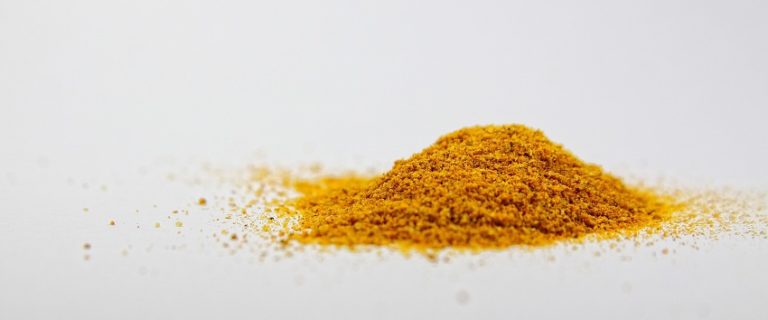
Golden milk is warm milk, or a plant milk, with turmeric and usually ginger and cinnamon. It’s creamy and mild, with the sort of flavor that feels like a hug. Without any tea or chocolate in it, the drink itself doesn’t have caffeine.
Turmeric gets a lot of hype, but there isn’t enough evidence to conclude it helps with any health purpose. So treat golden milk as a cozy evening cup, not a treatment. Whatever the jar says on the front, the amount of turmeric you get in a mug is small, and cost per serving is worth a look if you’re buying a premade powder.
Warm milk with cinnamon, a cup of hot water with lemon and ginger, or a plain cocoa-free hot drink all fall in the same category. Keep them simple, and don’t expect them to wake you up.
Some other options sit on the shelf too: roasted barley tea, dandelion root, hot water with lemon. I’d treat each one the same way. Check the box, look for the word “blend,” and decide whether the price per cup makes sense for what’s in it.
Plain Water Still Counts

Water is the least exciting suggestion on the page, but it might be the one worth trying first. The research is mixed. Being short by about 2 percent of your body water can hurt attention and short-term memory in some studies, and in others the effect is contradictory and inconsistent.
So I wouldn’t promise anyone that water will sharpen them. But an afternoon slump on a day when you’ve barely had a drink is worth a glass of water before it’s worth a fourth coffee. It costs nothing, and a 16-ounce glass finished slowly over twenty minutes will tell you whether thirst was the problem.
If plain water bores you, add a slice of cucumber or lemon, or switch to sparkling. A pitcher in the fridge makes it easier than a tap you have to walk to. A tall glass next to the keyboard gets drunk a lot more often than a bottle in a bag.
How to Read the Label Before You Buy
A box can say “caffeine-free” on the front and still surprise you, or say nothing at all about it. Here’s the short version of everything above, plain versions only:
A few checks cover most of the mistakes:
- Read the ingredient list for tea, green tea, black tea, guarana or yerba mate. Any of those means caffeine.
- Look for “caffeine-free” or “decaffeinated” on the front, but remember decaf still has a tiny amount.
- Check how much of the blend is the thing you want. A “proprietary blend” that doesn’t list amounts is a red flag, because you can’t tell how much of any herb is in the bag.
- Watch the added sugar in bottled and powdered versions. A cozy drink with a lot of sugar in it is a different product.
- A label that promises sharper focus should name the ingredient, the amount and the studies used. When it doesn’t, I’d call it an underdosed product wearing a promise, and walk past it.
Some of the small print is dull, but this is where the money goes. A plain box of peppermint bags from the grocery aisle is cheap and easy to read, and a pricey “brain tea” with a blend nobody can verify is the one I’d walk past. If a third-party tested seal is on the box, that’s a good sign, and if it’s not, nothing is lost by buying the plain version.
Our posts on mushroom coffee and tea and brain fog go further into two drinks people often confuse with these.
Which One to Try First
Give each swap a full week before you judge it, because the first cup of anything new rarely tastes like much. Start with what you miss. If it’s the warmth, try peppermint or ginger. If it’s black tea, try plain rooibos. If it’s the dark roasted mug in the morning, try chicory slowly, with milk. And if you mostly need a pause in the afternoon, a glass of water and a short walk costs less than any of them.
None of these will do what a strong coffee does, and that’s OK. If you’re also working on your focus in other ways, our guides on how to focus while studying and whether music helps you focus are worth a read. And if the jitters or the crashes keep coming back no matter what you drink, bring it up with your doctor, because that’s a conversation worth having.