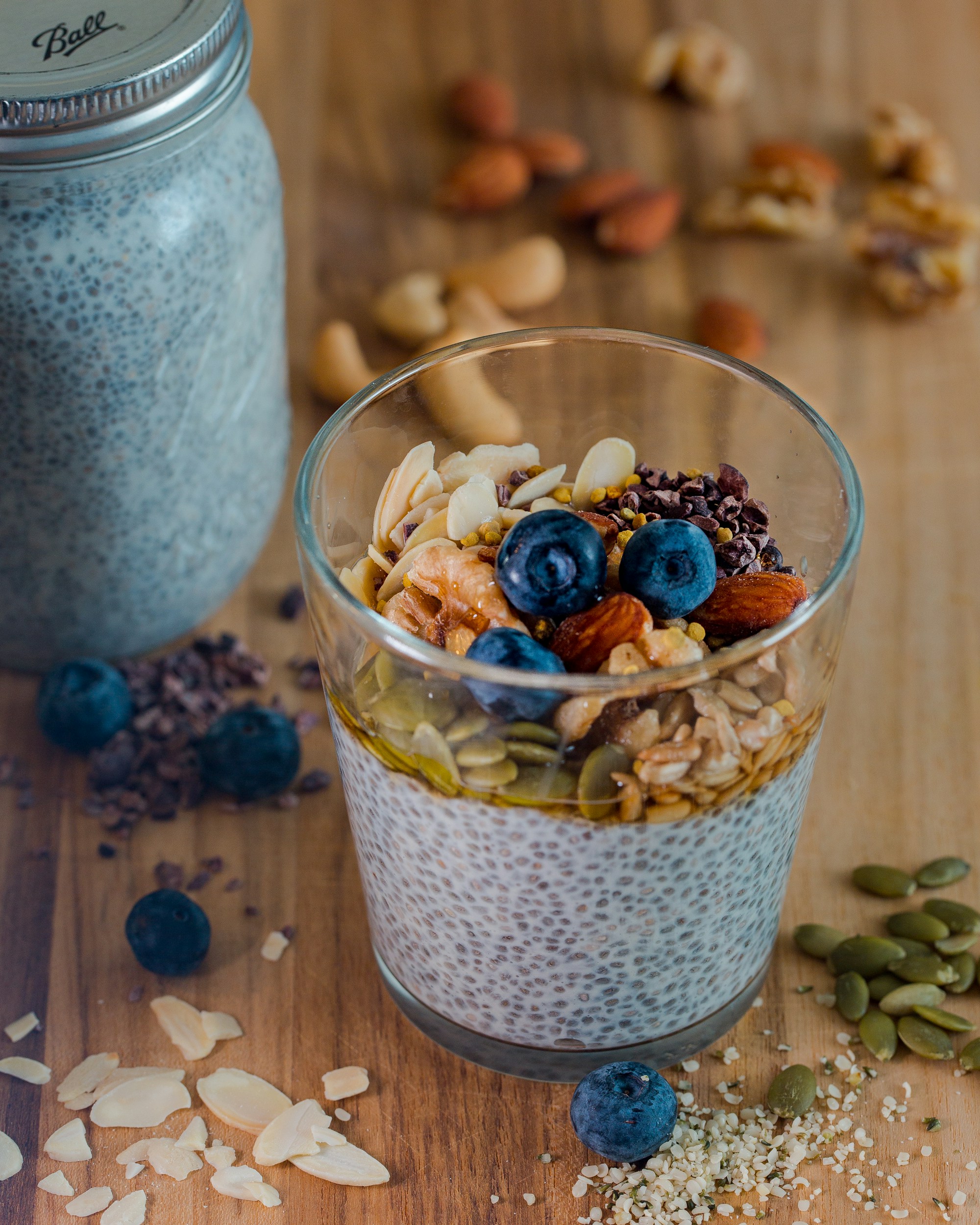

Honestly, most of the breakfasts that carry a “healthy” sticker are built from refined flour and sugar, and they leave you hungry by 10:30. A breakfast with real fiber in it behaves differently. It digests more slowly, it keeps you full longer, and it’s a pretty easy, low-cost way to give your mornings a better chance, with no bottle and no label to decode.
I’m not a doctor, and this isn’t medical advice. If you have a gut condition, diabetes, or a doctor-set eating plan, run any big change in fiber past your doctor first.
Why a Fiber-Heavy Breakfast May Smooth Out the Morning

The idea is simple. Soluble fiber, the kind in oats and beans, attracts water in your gut and forms a gel that slows digestion. That can help keep blood sugar from surging after a meal, and it can leave you less hungry afterward.
Sharper focus is a bigger claim, and here’s what the research actually shows. In a small 2005 study of 9 to 11 year-olds, kids who ate instant oatmeal did better on some memory tests than kids who ate a sugary ready-to-eat cereal or no breakfast at all. The researchers suspected oatmeal’s fiber and slower digestion were the reason, but they only suspected it. It’s one study, in children, so I wouldn’t promise any adult a sharper mind from a bowl of oats.
What I’d promise is smaller. A breakfast with fiber in it can hold you longer than a pastry, and a settled stomach makes it easier to keep your mind on your work. That’s worth a four-week experiment, and honestly it won’t cost much.
A bowl you’ll actually finish on a busy Tuesday beats a perfect breakfast you skip, so keep the plan simple.
How Much Fiber You’re Aiming For
The target for most adults sits between 25 and 35 grams a day, and most Americans get only about 15 grams. The FDA’s Daily Value on the Nutrition Facts label is 28 grams.
So the gap is roughly 13 grams a day, and breakfast is the easiest meal to close it. Get 10 to 12 grams before 9 a.m. and you’ve done nearly half the day’s work before the first meeting.
A note on the label, since that’s where I always start. “High fiber” on a package means 20 percent or more of the Daily Value per serving, and “good source” means 10 to 19 percent. Serving sizes are small, though, so check how much you’ll really pour into the bowl.
There’s a second label trap. Some bars and cereals reach their big fiber numbers with added fibers such as polydextrose, a food additive that has little effect on blood sugar or cholesterol. Fiber from whole oats and beans comes with the rest of the food, so I’d take it from the kitchen before the snack aisle, and I’d read the ingredient list before I trusted a number on the front.
Oats First, Because They’re Easy

Plain rolled oats are the workhorse. Half a cup of dry oats, about 40 grams, carries around 4 grams of fiber, going by the USDA’s FoodData Central figure of 10.1 grams per 100 grams.
Overnight oats are the lazy version, and a pretty good one. Stir half a cup of oats into milk or yogurt in a jar, add your toppings, and leave it in the fridge. By morning the oats have softened and there’s nothing to cook. Folks who say they “don’t have time for breakfast” usually have time to screw a lid on a jar the night before.
The one trap is the flavored instant packets. Read the label for added sugar, because the sugar can quietly cancel the point of the whole exercise.
If you have celiac disease or a wheat allergy, ask your doctor about oats, because many are processed near wheat and the ones for you carry a gluten-free label. And if you make a jar tonight and like it, make two next time and see how the texture holds up by the third morning.
Chia and Flax: Small Spoons, Big Numbers

Chia is kinda the fiber champion of the pantry. USDA data gives dried chia seeds about 34 grams of fiber per 100 grams, which works out to roughly 8 grams in two tablespoons (about 24 grams). Ground flaxseed has about 23 grams per 100 grams, so 14 grams of it, a rounded tablespoon or two, adds a little over 3.
Stir chia into milk, yogurt or oat milk and wait at least 15 minutes. It swells into a thick, spoonable gel, which is what chia pudding is. Don’t eat dry spoonfuls of it, and if you have trouble swallowing, ask your doctor before you try it.
Flax has one catch. Whole seeds can pass through you undigested, so buy it ground, or grind it yourself in a coffee grinder.
Raspberries and Pears: Let the Fruit Do the Work

Fruit is where fiber hides in plain sight, and it turns out to be a bit more than you’d guess. A cup of raspberries, about 123 grams, brings roughly 8 grams. One medium pear of about 178 grams has around 5.5, and a medium apple with its skin has close to 4, by USDA’s figures.
Keep it whole. Fruit juice doesn’t carry the same benefit: in the Nurses’ Health Study, the lower diverticulitis risk came from whole fruits and cereal grains but not from fruit juice. Frozen raspberries are an easy way to keep them on hand, so thaw a handful into your oats.
Beans and Lentils at Breakfast? Yes.

This sounds odd until you try it, and it turns out to be pretty good. A 100-gram scoop of drained canned black beans, a little under half a cup, holds almost 7 grams of fiber. The same weight of cooked lentils has close to 8.
Warm the beans with a pinch of cumin and put them on toast, or spoon warm lentils under an egg. It’s a savory morning, sort of like a light lunch, and it keeps you full far longer than a pastry does. Canned beans can carry a lot of sodium, so look at the label and rinse them under the tap before you heat them.
Toast and Avocado: Read the Label on the Bread

A slice of commercial 100 percent whole-wheat bread has about 5.9 grams of fiber per 100 grams, so a 45-gram slice gives you around 2.7. That’s fine, not great, honestly. Bread labeled “wheat” or “multigrain” can be mostly white flour in a tan coat, so check for the words “100% whole wheat” and look at the fiber line, not the color.
Avocado is the real boost. California avocados come in at about 6.8 grams per 100 grams, and 100 grams is roughly half of a large one. Mash it on one slice of whole-wheat toast and you’re near 9.5 grams in one sitting.
Eight Breakfasts, Counted in Grams
Here are eight breakfasts side by side, each with a portion you’d really eat.
Look at the top of that list. A chia pudding with a cup of raspberries clears 16 grams, more than half of the Daily Value, before you’ve had coffee. Overnight oats with chia lands at 12 grams, and so does a bowl of oatmeal topped with a cup of raspberries.
The surprise is how little a plain apple does on its own: a medium one of about 182 grams gives you roughly 4 grams. It’s a fine snack, but it isn’t a breakfast, and it won’t hold you till noon.
The savory options land in the middle. Black beans on a slice of whole-wheat toast come to about 9 grams, avocado toast to 9.5, and warm lentils under an egg to about 8. A bowl with 170 grams of Greek yogurt, ground flax and a pear gets you to about 9, and the yogurt itself adds almost none, so the fiber is coming from the flax and the fruit.
Your portions will differ from mine, of course. A heaping cup of raspberries isn’t the same as a level one, and a thin slice of bread isn’t a thick one. Use the table to see which breakfasts are in the right ballpark, then check the label on whatever you buy.
Go Slow, Drink Water, Watch How You Feel

Don’t jump from 15 grams to 30 overnight. Your gut needs time, and a sudden jump is the classic route to gas and bloating, which is no fun. Raise the number gradually, a breakfast at a time, and drink water along with it, because fiber pulls water into the gut and works best with plenty of fluid.
Some folks, especially those with irritable bowel syndrome, are sensitive to certain fibers, and inulin from chicory root and onions can cause bloating. If a food bothers you, swap it for another in the table and keep going.
See your doctor if you have pain that doesn’t settle, a change in your bowel habits that lasts, blood in your stool, or if you’re thinking about a fiber supplement alongside any medicine. Those are questions for someone who knows your history, not for a breakfast post.
Four Weeks Is Enough to Know

Here’s the plan I’d follow. Pick two breakfasts from the table and rotate them for four weeks. Write down, in a notes app, how hungry you are at 10:30 and how steady you feel at your desk.
If the 10:30 slump doesn’t budge after four weeks, that’s useful information too. Fiber is one lever, and sleep, caffeine timing and how much you eat in total matter just as much.
And if you like brain-friendly eating in general, my guides to brain food and nootropic foods go well with this one, and how to focus while studying covers the habits that matter after breakfast.