Nooceptin carries 150 mg of rhodiola. Mind Lab Pro carries 50 mg. That’s 3 times as much of the one ingredient I’ve complained about for years — and honestly it’s the most interesting line here.
These two are closer than most pairs I write up. Both are caffeine-free. Both publish every milligram. Both are built on citicoline. So it comes down to which formula made better choices, not which one is hiding something.
Here’s what I’ll cover:
- Both labels, with the doses
- The 3 places Nooceptin is dosed better
- What Mind Lab Pro has that Nooceptin doesn’t
- The capsule count nobody mentions
The two labels
Nooceptin: citicoline 200 mg, panax ginseng 200 mg, L-theanine 200 mg, rhodiola rosea 150 mg, bacopa monnieri 150 mg, lion’s mane 400 mg, ginkgo biloba 100 mg. Seven ingredients, no caffeine, $67 for a month.
Mind Lab Pro: citicoline 250 mg, bacopa 150 mg, lion’s mane 500 mg, phosphatidylserine 100 mg, tyrosine 175 mg, theanine 100 mg, rhodiola 50 mg, maritime pine bark 75 mg, plus B6, B9 and B12. Eleven ingredients, no caffeine, $69 for a month.
Two dollars apart. Close enough that price isn’t the deciding factor here, whatever either site tells you.
The free cost per serving calculator puts up to four labels side by side: per day, per month and per gram of the ingredient.
Where Nooceptin is dosed better
Three places, and my notes say the same thing the label does. I’m not going to soften them.
Rhodiola, 150 mg against 50 mg. I’ve said for years that Mind Lab Pro’s 50 mg is a quarter of the bottom of the studied range. It probably isn’t doing the job rhodiola is known for. Nooceptin’s 150 mg sits inside the range people actually study. So if you want the anti-fatigue effect, this is the formula that has it.
Theanine, 200 mg against 100 mg. Both are inside the studied range. But 200 mg is where the calm-focus effect gets obvious, especially next to coffee.
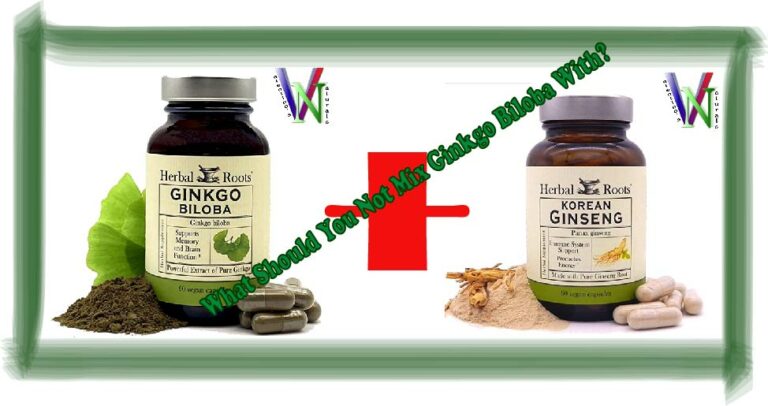
Ginseng and ginkgo, neither of which is in Mind Lab Pro. 200 mg of panax ginseng and 100 mg of ginkgo are real additions, not filler. Ginkgo especially has a long record for blood flow.
| Mind Lab Pro | Nooceptin | |
|---|---|---|
| Rhodiola | 50 mg | 150 mg |
| L-theanine | 100 mg | 200 mg |
| Citicoline | 250 mg | 200 mg |
| Phosphatidylserine | 100 mg | None |
| Ginseng / ginkgo | None | 200 mg / 100 mg |
| Capsules a day | 2 | 3 |
| Price | $69 | $67 |
Bottom line: Fatigue and stress, Nooceptin. Memory and long-term support, Mind Lab Pro.
READ: My full Mind Lab Pro review
Where Mind Lab Pro is ahead
Also three, and they matter.
Citicoline is 250 mg against 200 mg. The human trials used 250 mg. So Mind Lab Pro is on the number and Nooceptin sits just under it.
Phosphatidylserine at 100 mg is in Mind Lab Pro and absent from Nooceptin entirely. That’s one of the better-evidenced ingredients for age-related memory (and it isn’t expensive). Leaving it out is a real gap.
Same for tyrosine at 175 mg and pine bark at 75 mg. Neither is in Nooceptin. So if you want performance under stress, Mind Lab Pro has it and Nooceptin doesn’t.
And Mind Lab Pro carries the 3 B vitamins for homocysteine. Unglamorous, cheap, and Nooceptin skips them. Neither uses a proprietary blend, so at least you can check all of this yourself.
Dose used in the researchDose in the product
READ: Bacopa Monnieri
The capsule count
Here’s the thing neither of them puts on the front page.
Nooceptin ships 90 capsules for a month, so you’re taking 3 a day. Mind Lab Pro ships 60 for a month at 2 a day.
That sounds trivial. It isn’t. Compliance is the biggest predictor of whether a supplement does anything for you — and 3 capsules is a bigger ask than 2 over 12 weeks. It also means Nooceptin’s per-capsule doses are lower than they look.
Which one
Honestly, this is the closest call I’ve written up in a while.
Buy Nooceptin if your problem is fatigue and stress. The rhodiola is 3 times the dose and the ginseng backs it up. It’s a better formula for that job. I’d rather say so than defend a product I happen to like.
Buy Mind Lab Pro if your problem is memory, or if you’re over 50. The phosphatidylserine, the higher citicoline and the B vitamins all point at that. Nooceptin has none of them.
Want both effects? Buy Nooceptin and add phosphatidylserine separately. That’s about $18 a month. It’s a legitimate stack, and cheaper than running both formulas.
READ: Organic Lion’s Mane Mushroom
Conclusion
Nooceptin wins on rhodiola, theanine, ginseng and ginkgo. Mind Lab Pro wins on citicoline, phosphatidylserine, tyrosine, pine bark and the B vitamins. And it asks for one fewer capsule a day.
Fatigue and stress, buy Nooceptin. Memory and long-term support, buy Mind Lab Pro. And at $67 against $69 stop pretending either is the budget option.
That would be it folks. If you’ve run both, I want to hear it in the comments.