Short answer: Provasil is a real product with every dose printed on the label, which I like. But the key brain ingredients I could check against a study (bacopa, ginkgo, tyrosine) sit at a fraction of the dose the research used, and the big marketing claims rest on an internal customer survey and testimonials from people who got free bottles. At $49.99 for 60 tablets, I’d put that money toward something better dosed.
A label prints folate in mcg DFE with the folic acid in parentheses; the free folate DFE calculator converts either one and places the day against the RDA and the upper limit.
I first reviewed Provasil in 2021, when the label I worked from listed 2 capsules per serving. It’s a tablet now, sold by Pharmaxa Labs, so I pulled the current label from the NIH’s supplement label database and went through it line by line. Usual disclaimer, folks: I’m not a doctor. I read labels and studies very carefully and show my working.
Here’s what I’ll cover:
- Who makes Provasil today, and what changed
- Every ingredient on the current label
- How the key doses compare to the studies
- What’s really behind “proven” and “98% had reduced brain fog”
- Side effects, the dosing confusion, and the price per day
Who makes Provasil now
Provasil is a brand of Pharmaxa Labs, and its website says Provasil and Pharmaxa Labs are owned and operated by All Web Shopping, LLC. Older versions in the NIH database were filed under a different company name, Cognetix Labs, back in 2020 and 2022. The current label was added in 2024.
The bottle holds 60 tablets. The label says it’s made in the USA, “manufactured in an FDA registered facility,” and calls itself a “maximum strength formula.” Keep that last phrase in mind when we get to the doses.
Provasil ingredients (current label)
Here’s everything per serving of 2 tablets:
- Vitamin C: 300 mg
- Folate: 1,000 mcg DFE (600 mcg as folic acid)
- Vitamin B12: 300 mcg (12,500% of the Daily Value)
- Biotin: 150 mcg
- Choline: 150 mg
- L-tyrosine: 100 mg
- N-acetyl-L-carnitine: 100 mg
- Bacopa herb extract: 100 mg
- Ginkgo leaf extract: 60 mg
- Phosphatidylserine: 50 mg
- L-glutamine: 45 mg
- Phosphatidylcholine: 30 mg
- Asian ginseng root extract: 30 mg
- Resveratrol: 25 mg
- DHA: 5 mg
The other ingredients include titanium dioxide and two artificial colors, FD&C Blue #2 lake and Yellow #5 lake. It also contains soy and fish (anchovy).
Credit where it’s due: there’s no proprietary blend here. You can see every number, which is exactly what lets me check them.
- Vitamin B12300 mcg12,500% of the Daily Value
- Folate1,000 mcg DFE600 mcg as folic acid
- Choline150 mgA modest amount
- Bacopa herb extract100 mgA third of the studied dose
- L-tyrosine100 mgAbout 1% of the stress-study dose
- Ginkgo leaf extract60 mgA quarter of the GEM trial dose
- Phosphatidylserine50 mgHalf of Mind Lab Pro's
- DHA5 mgA speck
- Plus7 moreVitamin C, biotin, carnitine, glutamine, PC, ginseng, resveratrol
Label: NIH Dietary Supplement Label Database, Provasil (Pharmaxa Labs, 2024)
Dose check: the brain ingredients vs the research
This is where “maximum strength” falls apart.
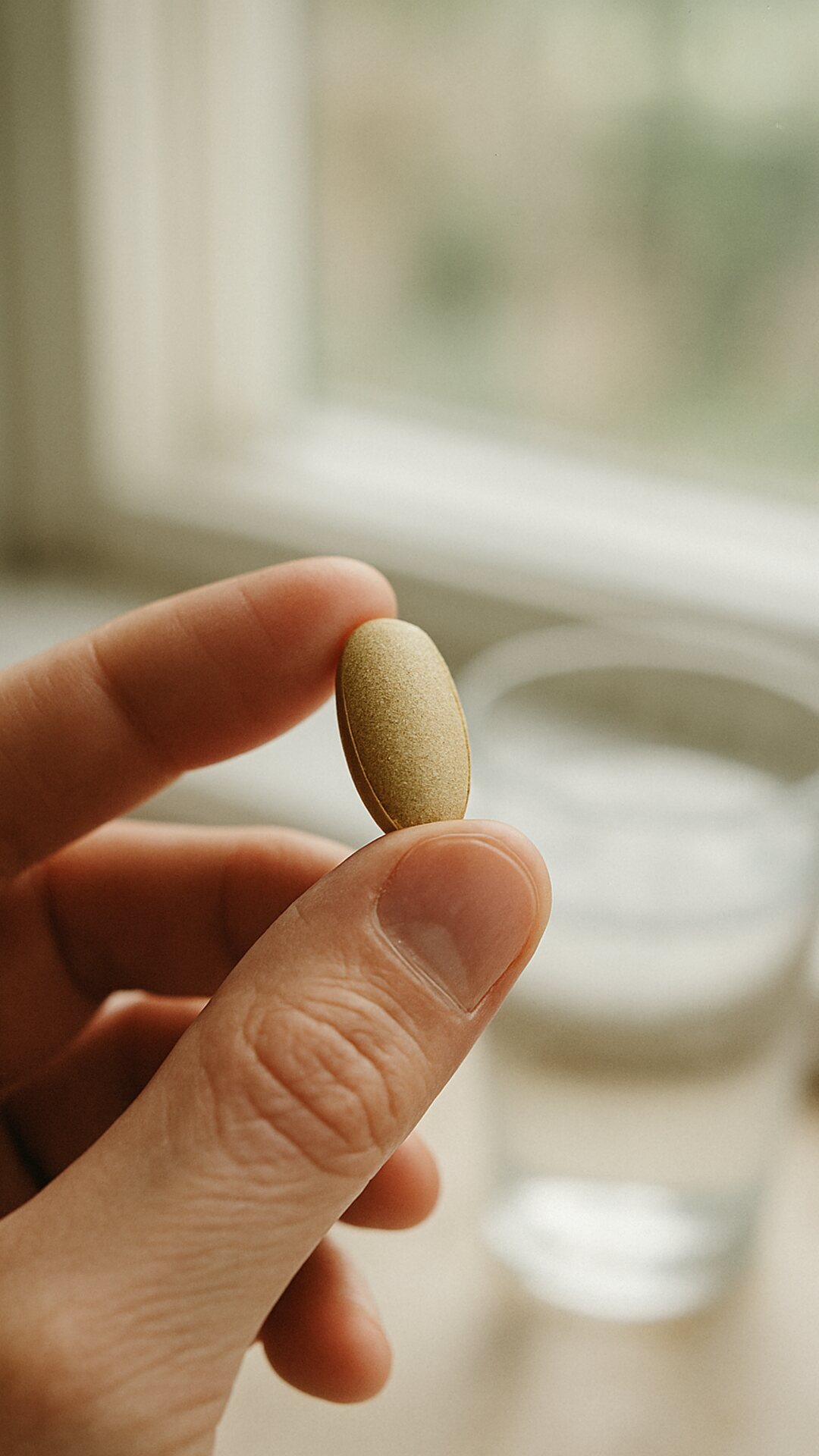
Bacopa, 100 mg. Bacopa is the best memory ingredient in this formula. But the well-known 90-day trial from Swinburne University used 300 mg a day. Provasil gives you a third of that.
Ginkgo, 60 mg. The GEM study, one of the largest ginkgo trials ever run, used 240 mg a day for a median of 6.1 years in people 75 or older. It didn’t reduce dementia rates. So Provasil has a quarter of a dose that, at full strength, didn’t prevent dementia.
Tyrosine, 100 mg. Tyrosine helps most under acute stress. In a 2007 cold-exposure study, people got 150 mg per kilogram of body weight before each test, which is about 10,500 mg (10.5 g) for a 70 kg adult. 100 mg is roughly 1% of that, so you’d need a hundred servings to match one test dose.
Phosphatidylserine, 50 mg. You get half of what Mind Lab Pro uses (100 mg).
DHA, 5 mg. That’s a speck. Fish oil capsules usually list their DHA in the hundreds of milligrams.
Choline, 150 mg. The NIH’s adequate intake for adults is 425 mg a day for women and 550 mg for men, from food and supplements combined. This covers a chunk of what you need, which is fine, but it’s not a brain-boosting dose.
One caveat, to be fair to Provasil: its label doesn’t say how its bacopa and ginkgo extracts are standardized, and the trials used specific standardized extracts. So these are milligram-for-milligram comparisons, not guaranteed potency matches.
Want to run these numbers against other labels? My nootropic dose checker does exactly that.
READ: Bacopa Monnieri (Brahmi)
Dose used in the researchDose in the product
Stough 2008 (bacopa), DeKosky 2008 / GEM (ginkgo), Mahoney 2007 (tyrosine)
Two things I got wrong in 2021
My old review warned readers off Provasil’s form of vitamin B12, cyanocobalamin. That warning was wrong, and I’ve removed it. According to the NIH, cyanocobalamin is the most common form of B12 in supplements, and there’s no evidence that absorption varies by form.
I also made a much too confident claim about how well Provasil’s form of choline reaches the brain. The evidence doesn’t support that level of certainty. The fair criticism is simpler: 150 mg of choline isn’t much.
The marketing vs the evidence
Provasil’s homepage says “Provasil Is Proven To Help With Age-Related Memory Loss!” I couldn’t find a single clinical trial of Provasil cited anywhere on the site.
Then there are the big numbers: “98% Had Reduced Brain Fog,” “95% Had More Memory & Recall Ability.” Read the small print under them. It says they’re from “an internal customer response survey” and that it’s “not intended to be interpreted as a clinical study.”
And the testimonials? The site’s own disclaimer says everyone who gave one “was provided with a free product in return for their honest review.”
The homepage also calls it a “100% safe nootropic formula.” Yet the label itself says not to use it if you’re pregnant or breastfeeding, and to stick to the suggested dose. Those warnings are sensible. “100% safe” isn’t a promise any supplement can honestly make.
None of that makes Provasil a scam in the sense of an empty bottle. The ingredients are listed and they’re real. But the marketing is far louder than the doses justify.
provasil.com homepage and product page
Side effects, safety and the dosing confusion
There’s no safety data on Provasil itself. Its ingredients are familiar and mostly low-dose, which lowers (but doesn’t remove) the chance of surprises if you’re a healthy adult. A few things you should still know:
- Pregnancy and breastfeeding: the label says not to use it.
- Blood thinners: it contains ginkgo, and the NIH says ginkgo may raise bleeding risk with anticoagulants like warfarin. Ask your doctor first.
- Titanium dioxide: in 2021, Europe’s food safety agency (EFSA) concluded that titanium dioxide “can no longer be considered as safe when used as a food additive,” because a concern about DNA damage couldn’t be ruled out.
- Allergens: soy and fish.
Then there’s the dosing. The label says “take a serving of 1-2 tablets in the morning or early afternoon” and “do not exceed suggested dosage.” The website says 1 to 2 tablets in the morning, and another 1 to 2 in the afternoon “if needed.” That’s up to 4 tablets a day. I’d follow the label on the bottle in your hand.
Price and value
Provasil’s own store lists one bottle at $49.99 (down from $69.99) for a one-time purchase in October 2026. That’s 60 tablets.
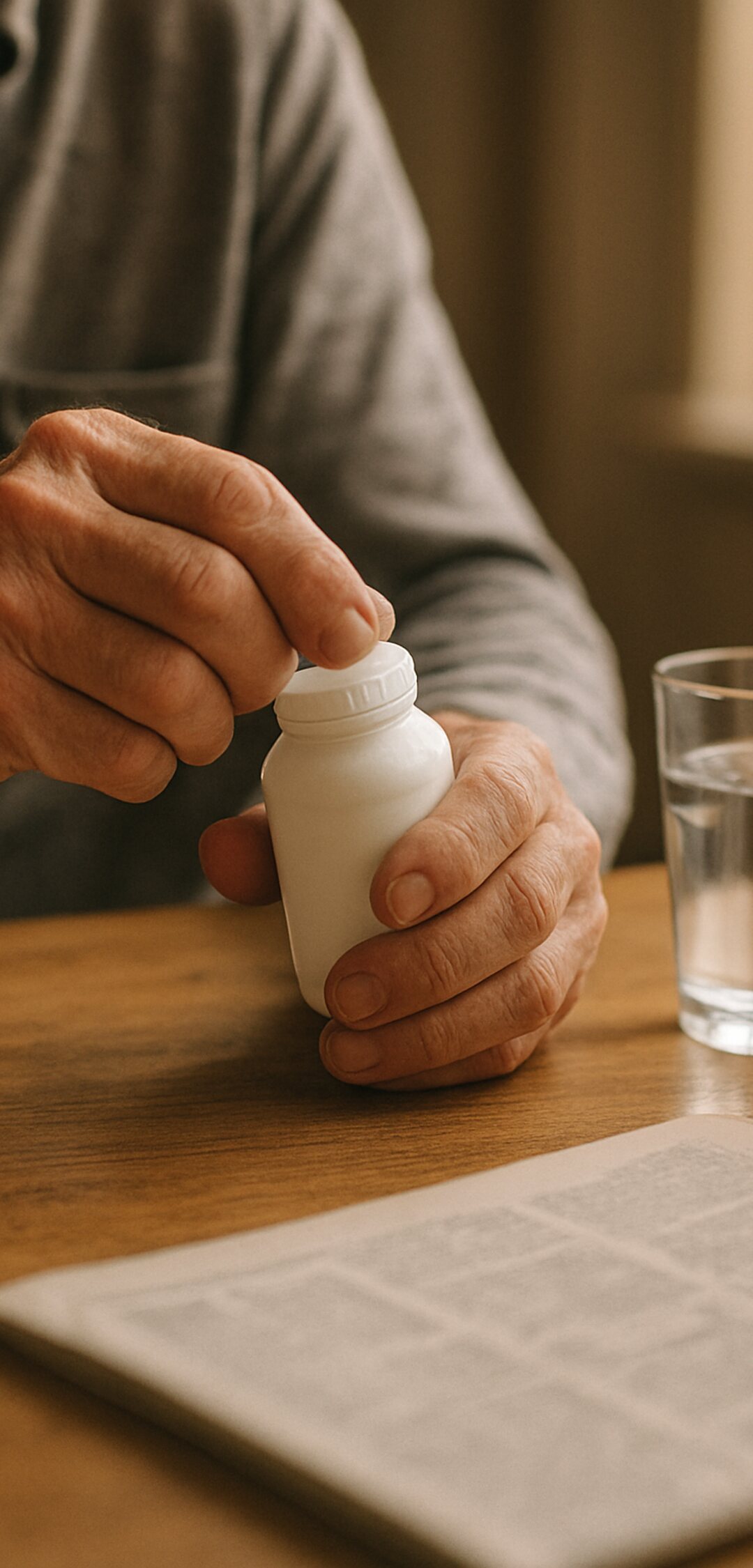
At 2 tablets a day, a bottle lasts 30 days, so it costs about $1.67 a day. On the website’s maximum of 4 tablets a day, it lasts 15 days, or about $3.33 a day. You can put that next to any other supplement with my cost per serving calculator.
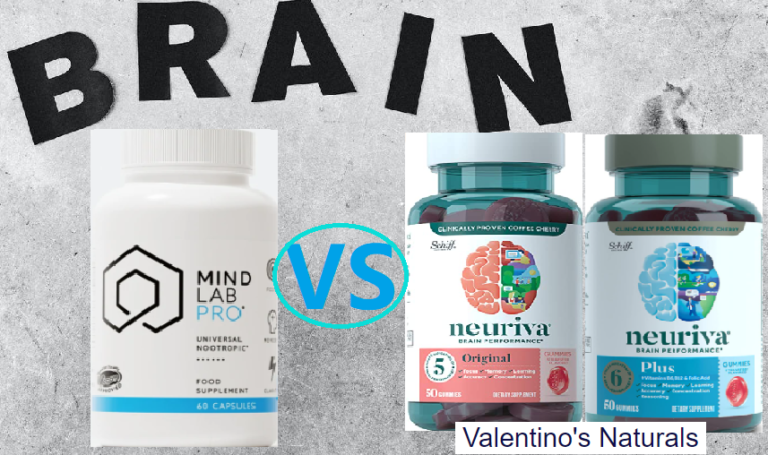
For comparison, Mind Lab Pro is $69 for 30 servings, or $2.30 a day. For that you get 150 mg of bacopa, 250 mg of citicoline, 100 mg of phosphatidylserine and 500 mg of lion’s mane. Not a perfect formula either (its bacopa is still under 300 mg), but it’s a lot closer to the research than Provasil.
READ: My full Mind Lab Pro review
Quick answers
Is Provasil FDA approved?
No. Dietary supplements aren’t approved by the FDA, and Provasil’s label carries the standard note that its statements haven’t been evaluated by the FDA. “Manufactured in an FDA registered facility” is about the factory, not the product.
Is Provasil a scam?
The bottle contains what the label says. The problem is the gap between the marketing (“proven,” “maximum strength,” “100% safe”) and doses that are mostly well below the research.
What are Provasil’s side effects?
No specific side-effect data for Provasil itself. The ingredients are generally low-dose. Don’t use it if you’re pregnant or breastfeeding, and check with your doctor if you take a blood thinner (because of the ginkgo).
How long does Provasil take to work?
There’s no Provasil trial to tell us. The bacopa research ran for 90 days, and at a third of that dose, I wouldn’t expect much sooner.
Who makes Provasil?
Pharmaxa Labs, which its website says is owned and operated by All Web Shopping, LLC.
Conclusion
Provasil has an honest label and a sales page that badly oversells it. Bacopa at a third of the studied dose, ginkgo at a quarter, tyrosine and DHA at a sprinkle, all sold as a “maximum strength” formula with survey numbers and free-product testimonials. If you want a memory supplement, spend the money on one that’s dosed closer to the research. My current picks are on my top 3 nootropics for 2026 page.
That would be it folks! If you’ve tried Provasil, I’d honestly like to hear how it went. Tell me in the comments.