As an Amazon Associate I earn from qualifying purchases. This post contains affiliate links. If you buy through them we may earn a commission at no extra cost to you.
Product prices and availability are accurate as of the date and time indicated and are subject to change. Any price and availability information displayed on Amazon at the time of purchase will apply to the purchase of this product. Certain content that appears on this site comes from Amazon. This content is provided "as is" and is subject to change or removal at any time.
The modern pharmacological industry offers a wide range of supplements to solve various problems, but their use is not always without consequences.
For example, many chemically synthesized adaptogens and nootropics can cause side effects and have a number of contraindications.
A before-and-after score beats a feeling — the free memory and attention tests make that repeatable.
If it is necessary to use supplements of these pharmacological groups, it is better to pay attention to supplements of natural origin.
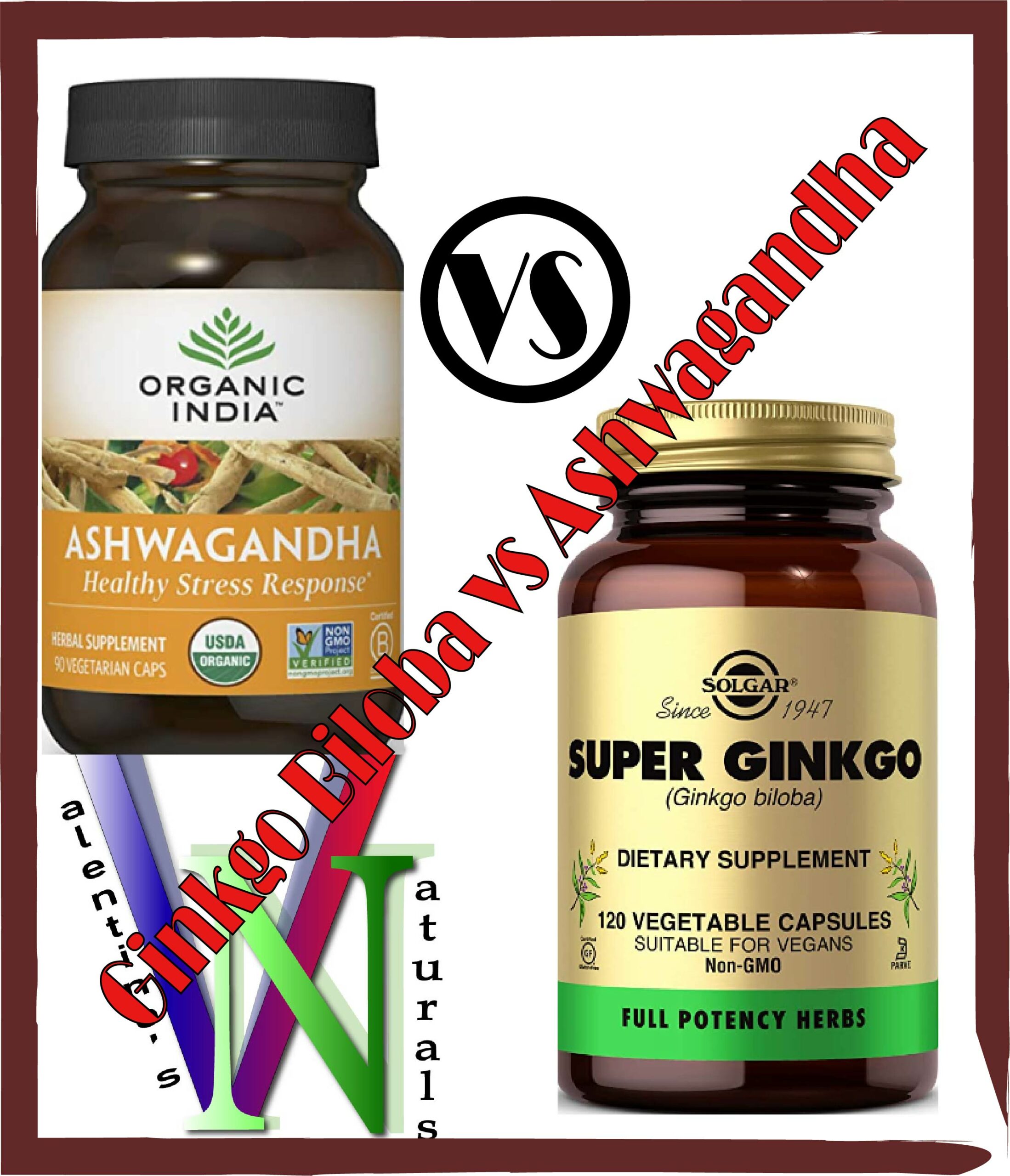
For example: Ginkgo Biloba vs Ashwagandha…
Are you looking for the best organic nootropic supplement instead f synthetic nootropics?
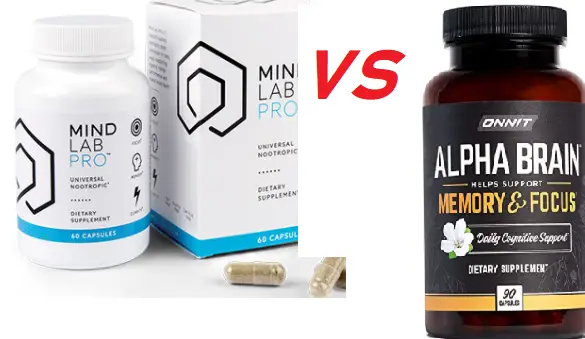
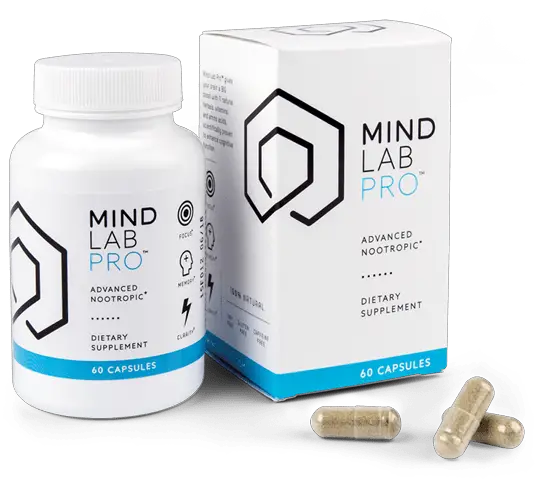
As for me, Mind Lab Pro is the best option available right now.
Mind Lab Pro focuses on cognitive function and general health more than any other nootropics.
Due to the Elements that Mind Lab Pro has, it compresses all the benefits of cognitive function, and even long-term mental well-being.
It Optimizes 6 different brain pathways: Neurotransmitters, brain energy, brain cell protection, cerebral blood flow, neurogenesis, and brainwaves.
Ginkgo Biloba vs Ashwagandha Introduction Table
| Ginkgo Biloba | Ashwagandha | |
| What is this? | Ginkgo Biloba is one of the world’s oldest tree species, a gymnosperm relic plant said to have been around for over 200 million years. It is often referred to as a “living fossil”. | This is a perennial shrub of the nightshade family with yellow, foul-smelling flowers and orange fruits resembling physios. |
| Where Can I get it? | 
$23.94 In Stock Paid link · price checked October 9, 2026 09:20 |

$29.99 In Stock Paid link · price checked October 9, 2026 09:20 |
Are Ginkgo Biloba and Ashwagandha Nootropics?
Experts say that the active substances contained in ginkgo biloba can normalize blood circulation in the brain, thereby improving cognitive function.
Scientists are actively analyzing the effect of the active substances of ginkgo biloba on improving memory. However, according to a meta-analysis published in the journal Human Psychopharmacology, there was no significant improvement in measures such as concentration and memory…
Ashwagandha is an anti-stress adaptation with nootropic properties.
Ashwagandha is a well-known adaptogenic agent used in Ayurvedic medicine.
Ashwagandha means “smell of a horse”, which is due to the fact that the fresh ashwagandha root has a horse smell, it is believed that the use of this herb gives power and strength to the horse.
What is Ashwagandha and Ginkgo Good For?
The leaves of Ginkgo Biloba tree, due to the content of a large number of flavonoids and terpenoids, have a number of medicinal properties.
These active substances are antioxidants that are able to protect body cells from the formation of free radicals. In turn, the latter can provoke the development of cancer.
One of the main benefits of Ashwagandha is the ability to stimulate the thyroid gland and help it function optimally.
Moreover, Ashwagandha is known to be effective in both overactive and underactive thyroids.
A study published in the Journal of Alternative and Complementary Medicine found that ashwagandha successfully normalized thyroid function in patients with hypothyroidism.
Fewer studies have been conducted on the effect of ashwagandha on hyperthyroidism, but they still demonstrate its ability to stabilize the thyroid system.
The Ingredients of Ginkgo Biloba Extract
For the manufacture of medicinal formulations, for extract preparation, the raw materials are used for which are the seeds and leaves of ginkgo biloba (leaf-like needles).
They contain more than 100 bioactive components:
- Bioflavonoids. They occupy a quarter of all active substances in the plant. The main ones are quercetin, kaempferol, isorhamnetin. This group also includes flavonoid glycosides such as ginkgetin, triterpene compounds.
- Ginkgolide, bilobalide and other lactones, contained only in ginkgo, occupy from 6% to 12% of the volume of active components.
- Microelements and minerals. The plant extract is rich in magnesium, iron, potassium and calcium, selenium, phosphorus, manganese and copper.
- Antioxidants and anti-inflammatory compounds. Concentrated tannins and superoxide dismutase protect the body from free radicals. Amino acids and organic acids, waxes, kahetins, polyprenols and other compounds.
The Ingredient List of Ashwagandha
According to the work of L. Chen, the group of main active ingredients is withanolide structures, represented by steroid lactones and their glycosides.
Withanolides are present in all plants of the nightshade family, but ashwagandha has the highest concentration of these substances.
Ashwagandha extract composition:
- Steroid lactones vitanon, withaferin A, withanolides and withanolides, as well as their glycosides;
- Ashwagandha Nolide, fizagulin, viscose B lactone, other sulfated steroid-type lactones;
- Kaempferol, naringenin, catechins, β-sitosterol and stigmasterol, trigonelline and phenolic acids;
- Allic, palmitic, oleic, linoleic and linolenic acids, a derivative of 1,4-dioxane.
- Ashwagandha contains polysaccharides consisting of arabinose, galactose, glucose, rhamnose, and fucose.
Who Should Avoid Ginkgo and Ashwagandha?
Ginkgo biloba is strictly forbidden to be taken in the presence of gastritis, erosion or stomach / duodenal ulcer, epileptics, as well as diabetics and people with diseases that violate blood clotting.
The effects of the extract have not been studied in pregnant, lactating women and children under 12 years of age.
Aschwaganda is not allowed for those who take medications for thyroid diseases, those who are taking supplements that affect blood sugar and blood pressure.
Can I take Ginkgo and Ashwagandha together?
The Combination of Ginkgo and Ashwagandha are used to improve capillary circulation, relieve headaches, tinnitus, dizziness, improve memory and concentration.
Ashwagandha and Ginkgo Biloba (Ashwagandha Ginkgo Complex) can help with serious problems associated with circulatory disorders in the lower extremities: pain in the legs (caused by clogged arteries), multiple sclerosis, sexual dysfunction, dementia.
$32.95 In Stock Paid link · price checked October 9, 2026 09:20
If you are pregnant, nursing, taking any medications, or have a medical condition, consult your healthcare professional before using any dietary supplement.
If any adverse reactions occur, discontinue use and consult a physician.
Final Words
So what to choose: Ginkgo Biloba or Ashwagandha?
Ginkgo Biloba, thanks to its use, can bring undeniable benefits to the whole body.
Supplements from it help to slow down the aging process of the brain and are highly effective in combating visual impairment, hearing impairment and headaches. It is scientifically proven that ginkgo biloba tablets improve memory and activate brain processes.
Сhoose Ashwagandha if you want to improve the positive effect on memory and other cognitive functions…
Some researchers believe that supplements with ashwagandha can be used as part of therapy for diseases such as dementia, memory loss, Parkinson’s disease, and brain damage caused by stroke.
Ashwagandha can help healthy people too. Two weeks of taking 500mg of ashwagandha a day improved test scores on cognitive and psychomotor functions, a study found.
FAQ
Who Should Take Ginkgo Biloba?
Ginkgo Biloba is widely used in medicine, prescribed for the treatment of patients after strokes, craniocerebral injuries, circulatory disorders in the extremities, and the elderly.
How does ginkgo biloba affect blood pressure?
Plant interaction studies show that the extract has no effect onblood pressure.
What is the daily norm of Ashwagandha?
The daily norm of this plant has not been determined. In most studies, taking 450–500 mg ashwagandha has shown good results with no side effects. When choosing a dosage, be guided by the recommendations of the doctor and the manufacturer on the package.