As an Amazon Associate I earn from qualifying purchases. This post contains affiliate links. If you buy through them we may earn a commission at no extra cost to you.
Product prices and availability are accurate as of the date and time indicated and are subject to change. Any price and availability information displayed on Amazon at the time of purchase will apply to the purchase of this product. Certain content that appears on this site comes from Amazon. This content is provided "as is" and is subject to change or removal at any time.
Originally, nootropics that are created to improve memory and brain function differ in composition, mechanism of action, indications, efficacy, side effects, and administration features.
All this must be borne in mind when choosing them.
Today we are talking about natural nootropics and let’s look how good they are…
Are you looking for the best nootropic supplement what improves memory?
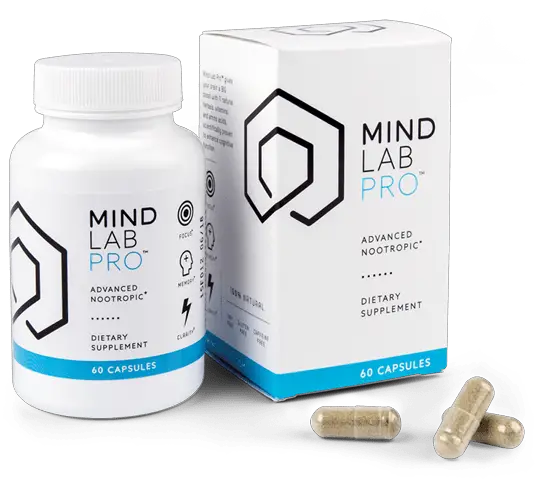
As for me, Mind Lab Pro is the best option available right now.
Mind Lab Pro focuses on cognitive function and general health more than any other nootropics.
Due to the Elements that Mind Lab Pro has, it compresses all the benefits of cognitive function, and even long-term mental well-being.
It Optimizes 6 different brain pathways: Neurotransmitters, brain energy, brain cell protection, cerebral blood flow, neurogenesis, and brainwaves.
Ginkgo Biloba vs Lion’s Mane The Differences
Ginkgo Biloba and Lion’s Mane are natural substances that stimulate the brain.
They can help you think faster, remember information better, and notice details.
They are natural alternatives to synthetic options.
They have been found to affect nerve growth factor (NGF), a protein vital for the function and survival of nerve cells.
Lion’s Mane and Ginkgo Biloba have been shown to increase the amount of nerve growth factor in the brain and improve cognition by increasing neuronal growth, reducing inflammation, and supporting overall brain health.
If you are comparing lion’s mane labels, the free lion’s mane dose calculator shows yours against the trials that used the same part of the mushroom.
Today Let’s explore what else beneficial we can get from them…
| Ginkgo Biloba | Lion’s Mane | |
| What is this? | It is a unique plant, the only tree of the Ginkgo family that has survived from the Permian and Jurassic periods. | It is a large white mushroom, which, growing up, resembles a lion’s mane.
It is used both in cooking and medicine in Asian countries such as China, India, Japan and Korea. |
| What are the Benefits? |
|
|
| What is a working Process? | Biologically active components of ginkgo change the rheological properties of the circulatory system, reducing the risk of thrombosis.
The adhesive properties of platelets, erythrocytes, the release of mediators decrease, which also prevents the increase in arterial tone. |
Studies have shown that lion’s mane mushrooms contain two specific compounds that can stimulate the growth of brain cells: hericenones and ericasins. |
Which Ginkgo Biloba vs Lion’s Mane Supplement is better?
This question is asked by many people who first decided to buy a dietary supplement based on these supplements. Indeed, there are cases when the quality of the supplements may be better.
And all due to the fact that manufacturers of more affordable nutritional supplements can use cheaper substances – quercetin and rutin, instead of real supplements.
That is why it is so important to give preference to proven and certified nutritional supplements that fully comply with all quality standards.
Here is the List:
$23.94 In Stock Paid link · price checked October 9, 2026 09:20
$21.78 In Stock Paid link · price checked October 9, 2026 09:20
$23.96 In Stock Paid link · price checked October 9, 2026 09:20
$13.95 In Stock Paid link · price checked October 9, 2026 09:20
What are the Dosages of Ginkgo Biloba vs Lion’s Mane ?
The dosage of Lion’s Mane really depends on the quality (strength) of the extract.
Ideally, you should choose one that contains at least 20% beta-glucans. A good starting dose of Lion’s Mane extract, containing 20-30% beta-glucans, is 500-1000 mg.
However, if you are using a weaker extract, then you need to take a few grams to get enough of the active substance that I described above.
No standard dosage of ginkgo biloba supplements has been established.
Adults are recommended to take 60-240 mg daily for 6 months. The daily dose may vary and this is quite normal.
In addition, quite often supplements and their dosage are selected taking into account age, gender, as well as the problem with which it is necessary to work.
Are There Negative Effects of Lion’s Mane vs Ginkgo Biloba?
Lion’s mane is generally considered safe and does not lead to side effects due to its use.
In non-serious sources, it is noted that some people feel a slight itch of the skin, which is believed to be caused by increased synthesis of nerve growth factor.
Extensively tested in mice, Lion’s Mane does not show any signs of toxicity, even at doses up to 5 g/kg.
Ginkgo biloba extract is generally well tolerated, but in some cases, side effects may occur, including the following:
- Disorder of the gastrointestinal tract;
- Nausea;
- Vomit;
- Headache;
- Dizziness;
- Constipation;
- Cardiopalmus;
- Allergic reactions.
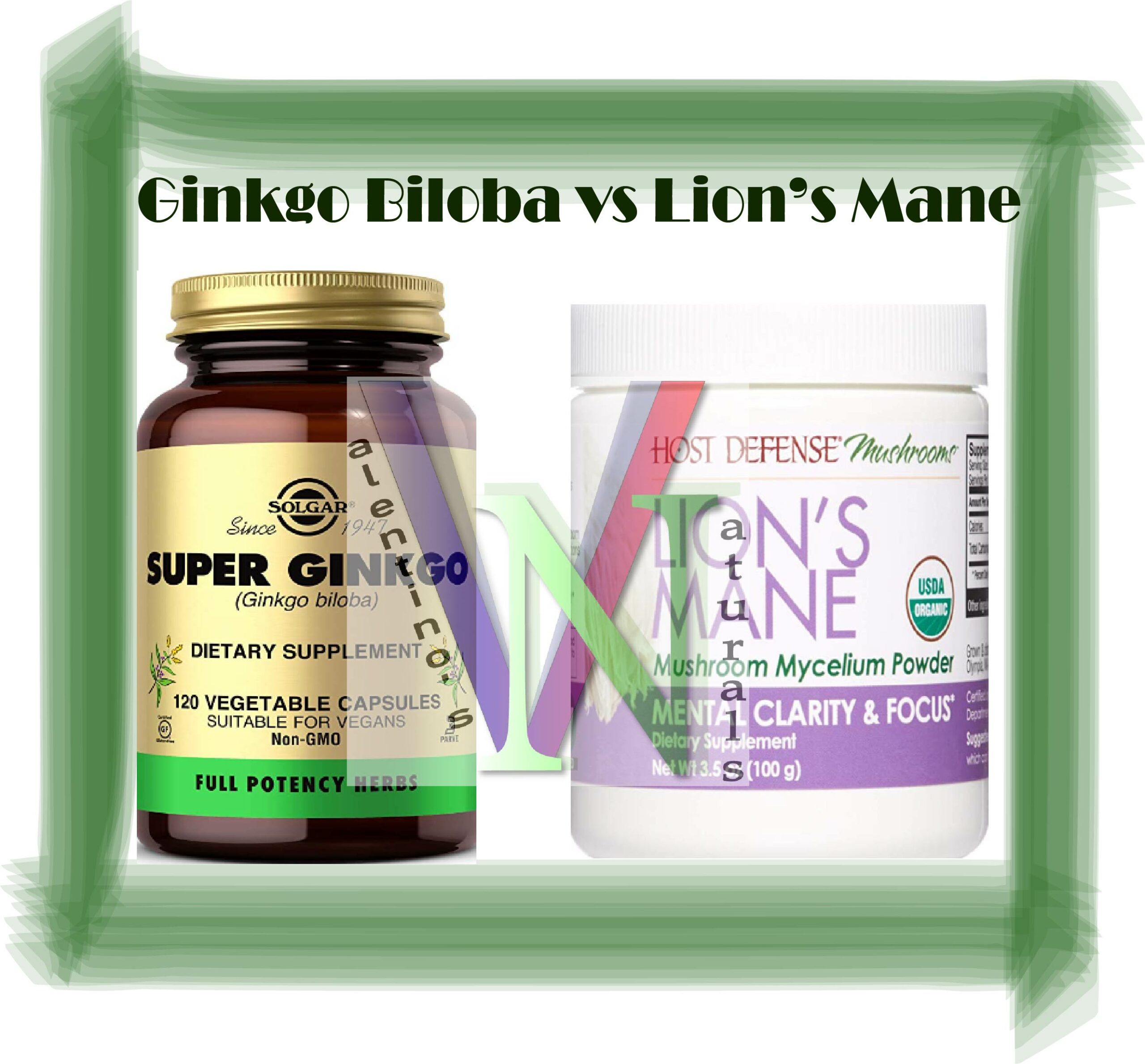
Can You Take Lion’s Mane and Ginkgo Biloba Together?
Lion’s Mane is best for long-term use, but if you’re looking for any immediate/acute effects from a super mushroom, then consider taking it with racetams (like Ginkgo Biloba), as well as a high-quality choline supplement like alpha-glycerophosphocholine or CDP-choline to prevent choline depletion-induced headaches.
For long-term health and cognitive benefits, take Lion’s Mane along with uridine (from CDP-choline) and fish oil, which support cell membranes, and Acetyl-L-Carnitine, which reduces apoptosis (death) in brain cells.
You can also supplement zinc if your diet is deficient, because zinc is involved in the regulation of synaptic function.
Ginkgo Biloba can be combined with vitamin B, it affects the human body in many ways:
- Prevents hemolysis of erythrocytes, leads to thrombosis;
- Has an anti-inflammatory effect;
- Increases the strength and elasticity of the walls of blood vessels;
- Beneficial effect on brain function
- Activates mental activity;
- Improves memory;
- Has antioxidant properties, protects the body from the action of free radicals;
- Promotes an increase in energy production by cells;
- Prevents premature aging.
Final Words
Ginkgo Biloba and Lion’s Mane have a positive effect on metabolic processes in the brain and have strong ant-hypoxic properties.
These 2 supplements have similar effects : they affect the metabolism of neurons and improve the blood supply to the brain. Neurons also become resistant to damaging factors, and do not die under conditions of ischemia and inflammation. As a result, a person’s cognitive parameters improve: memory, thinking and the ability to concentrate.
But What’s the Difference Between These Supplements?
Ginkgo Biloba of plant origin, normalizes metabolism in cells, rheological properties of blood and microcirculation. Improves cerebral circulation and supply of oxygen and glucose to the brain, prevents erythrocyte aggregation, inhibits platelet activating factor.
While Lion’s Mane is known and valued for its neuroprotective properties. This mushroom promotes more cognitive health by stimulating “neurite outgrowth,” which plays an important role in neuron formation and inflammation.
The greatest interest among modern scientists is the search for new herbal nootropics with analeptic effects. Most analeptic substances have a stimulating effect on the central nervous system.
Examples of such plants include camphor and caffeinated plants.
FAQ
How Many Grams of Lion’s Mane to take?
Usually the dosage is from 1 to 5 grams. The optimal dosage is 3-5 grams, the time of admission is 1-2 months. The first effects can be seen within 1-2 weeks after the start of treatment. It is recommended to add mushrooms to the diet after lunch and in the evening.
When does Lion’s Mane begin to act?
It Stimulates without increasing heart rate and pressure.
After 15-20 minutes, you will get increased motivation and improvement of mood, energy.
How to take Lion’s Mane capsules?
4 capsules is the recommended serving for an adult. Frequency of use: 1-3 times a day, 30 minutes before meals.